
Microlocs and Sisterlocks Hair Hacks: 20 Tips, Tricks, and Techniques You Need to Know
The secret is out: microlocs and Sisterlocks are a “high maintenance for low maintenance hairstyle.” While they do require care, maintaining them is simple when you follow the right routine and a few proven best practices. We’re spilling the tea and sharing 20 must-know hacks to help you keep your locs healthy, strong, and thriving.
Upgrade Your Wash Day
A clean scalp is the foundation for healthy locs. Follow these tips for a wash day done right.
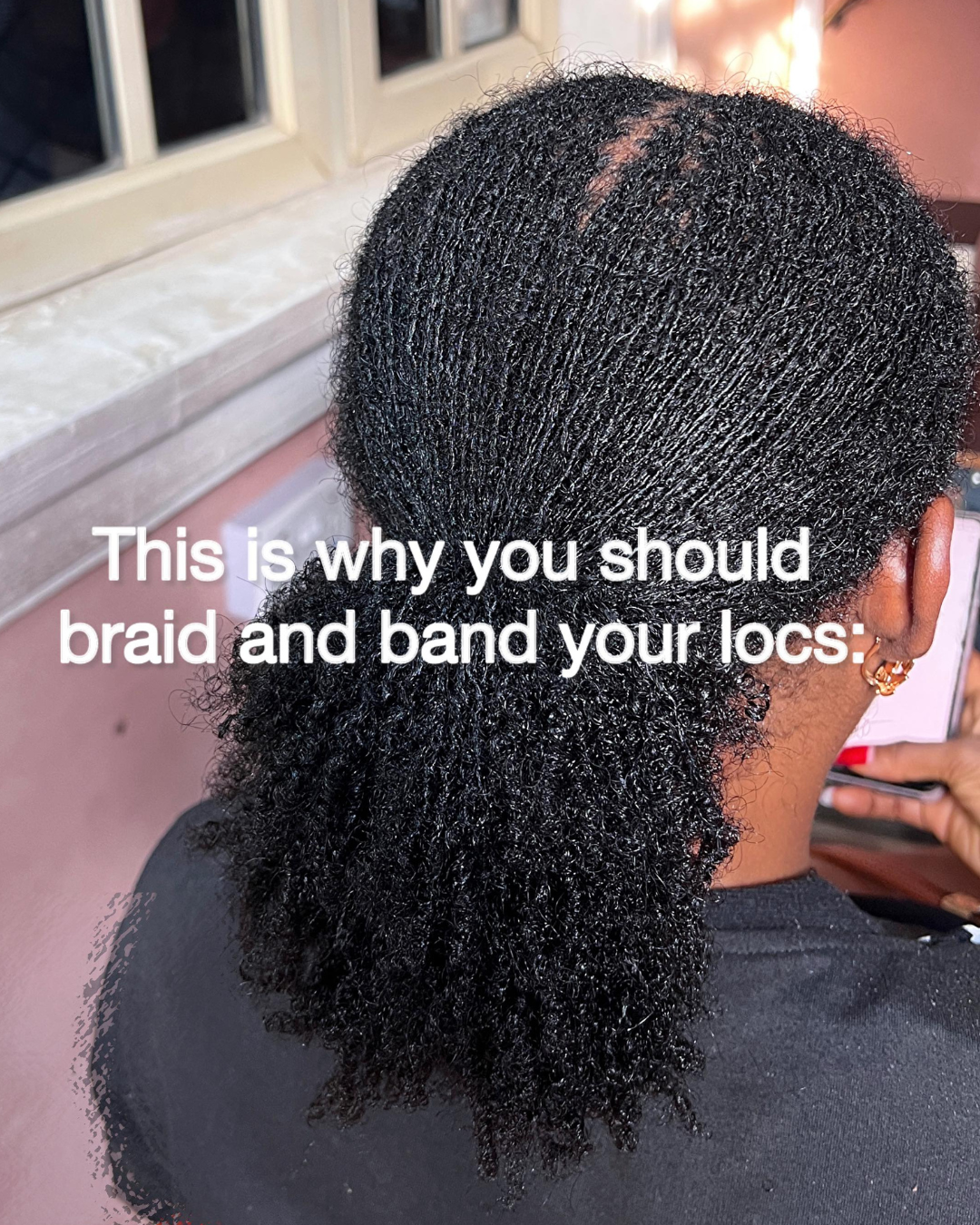
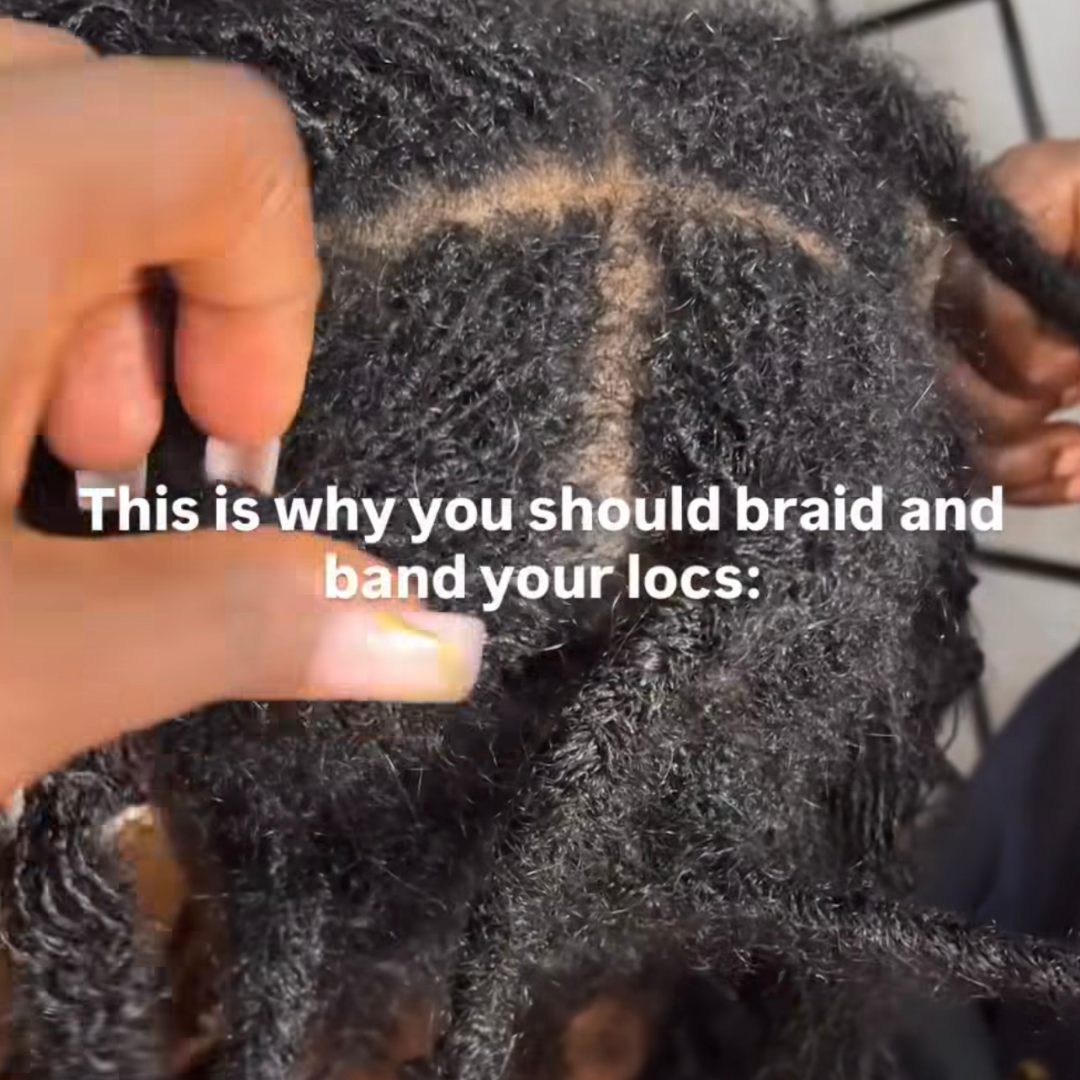
1. Braid and Band Before Washing: Braiding and banding before washing is essential, especially in the early stages of your microlocs journey. This step helps prevent slippage at the roots and unraveling at the ends, two common issues when locs are still forming and more vulnerable.
How to braid and band properly:
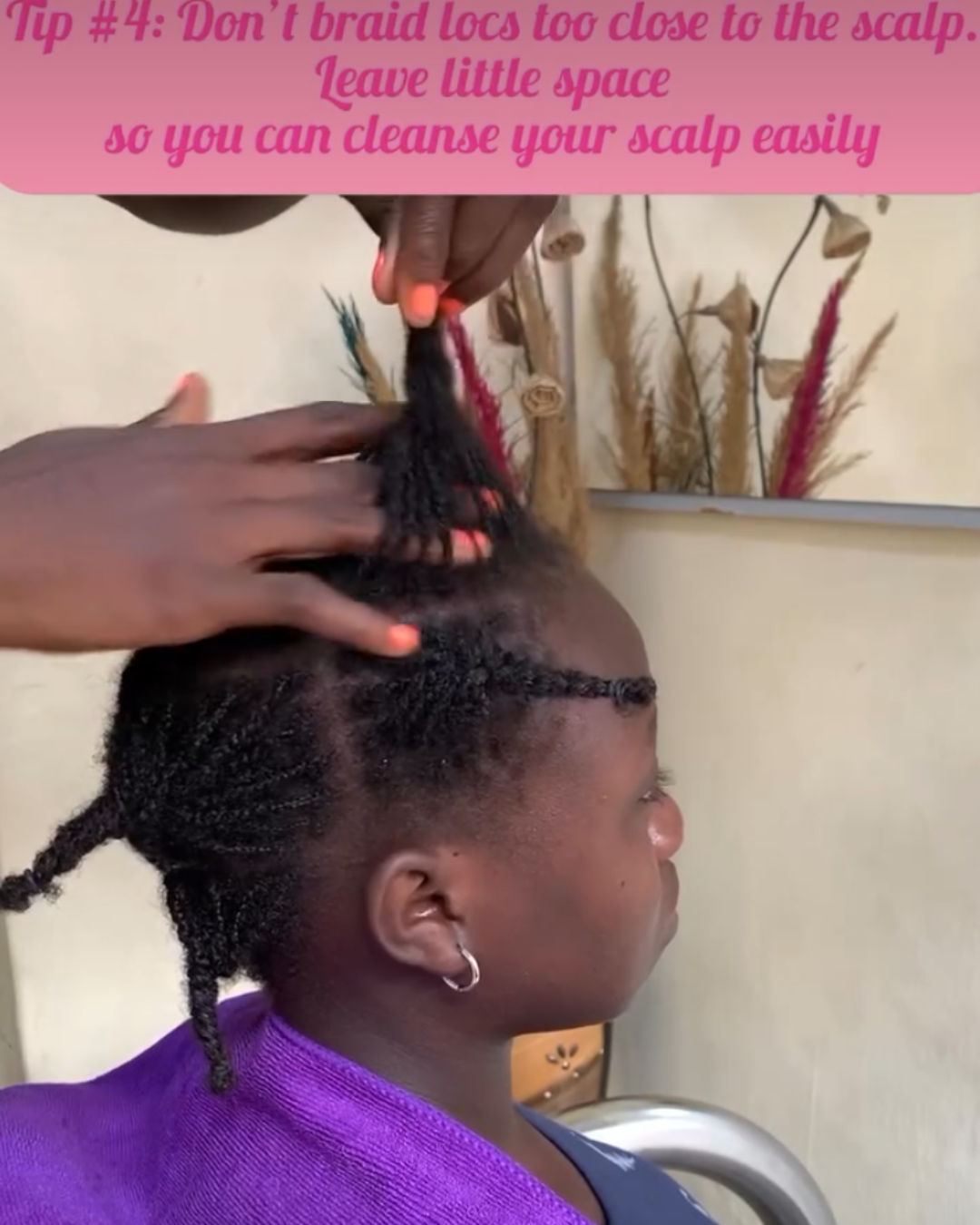
Section your hair into ~6 – 12 sections (or more), depending on your hair’s length and density.
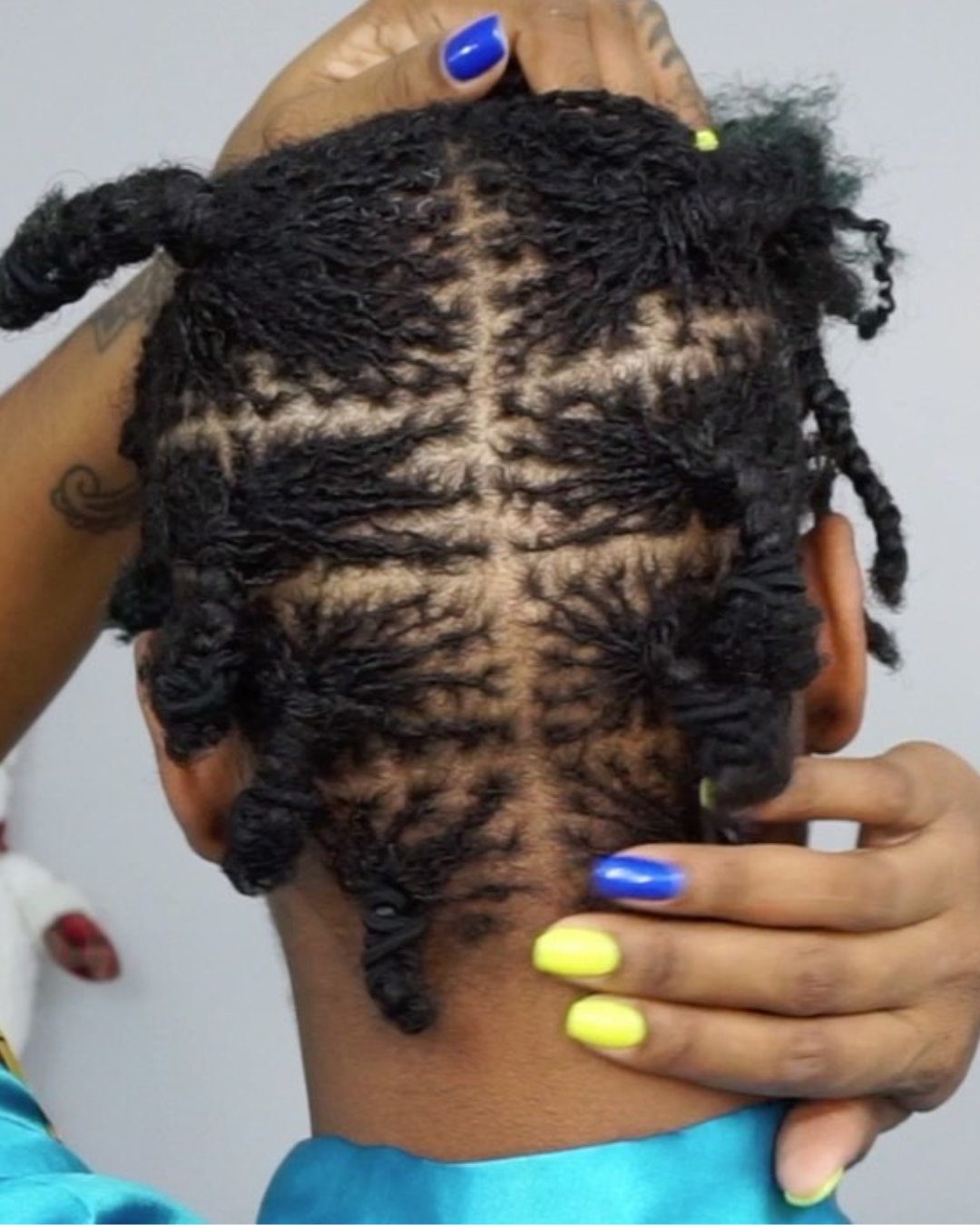
Braid each section loosely at the roots to avoid tension and allow easy access to your scalp while washing.
Continue the braid tighter through the mid-lengths and ends to secure the locs.
Fold the end of the braid upward and secure it with a small rubber band at the ends.
Repeat for all sections before washing.
You should continue to braid and band until your locs are fully mature and matted, which typically takes 1 – 2 years for microlocs and Sisterlocks. Once your locs are mature, this step may no longer be necessary unless recommended by your loctician.

2. Dilute Your Shampoo with Water: Always dilute your shampoo with water before washing your locs. Add a small amount of shampoo to a spray bottle or fine-tip applicator bottle, then fill the rest with water and shake to mix. Diluting your shampoo helps thin out the formula, making it easier to evenly distribute across your scalp and locs without product build-up. This step is especially important when your hair is braided and banded, since sections can make direct access to the scalp more challenging. A diluted shampoo ensures a thorough cleanse while protecting your locs from residue and unnecessary friction.

3. Dry with Microfiber Towels: After washing, use microfiber towels or cloths to dry your locs. Microfiber helps reduce friction, which minimizes frizz and prevents lint from getting trapped inside your locs. If you don’t have a microfiber towel on hand, an old cotton t-shirt is a great, lint-free alternative.
To dry thoroughly, gently squeeze your locs section by section to remove excess water, paying special attention to the mid-lengths and ends where moisture tends to linger. You can also follow up with a blow dryer on low-heat if needed. Proper drying helps keep your locs clean from the inside out and reduces the risk of product buildup, odor, and potential mildew forming within the loc shaft.
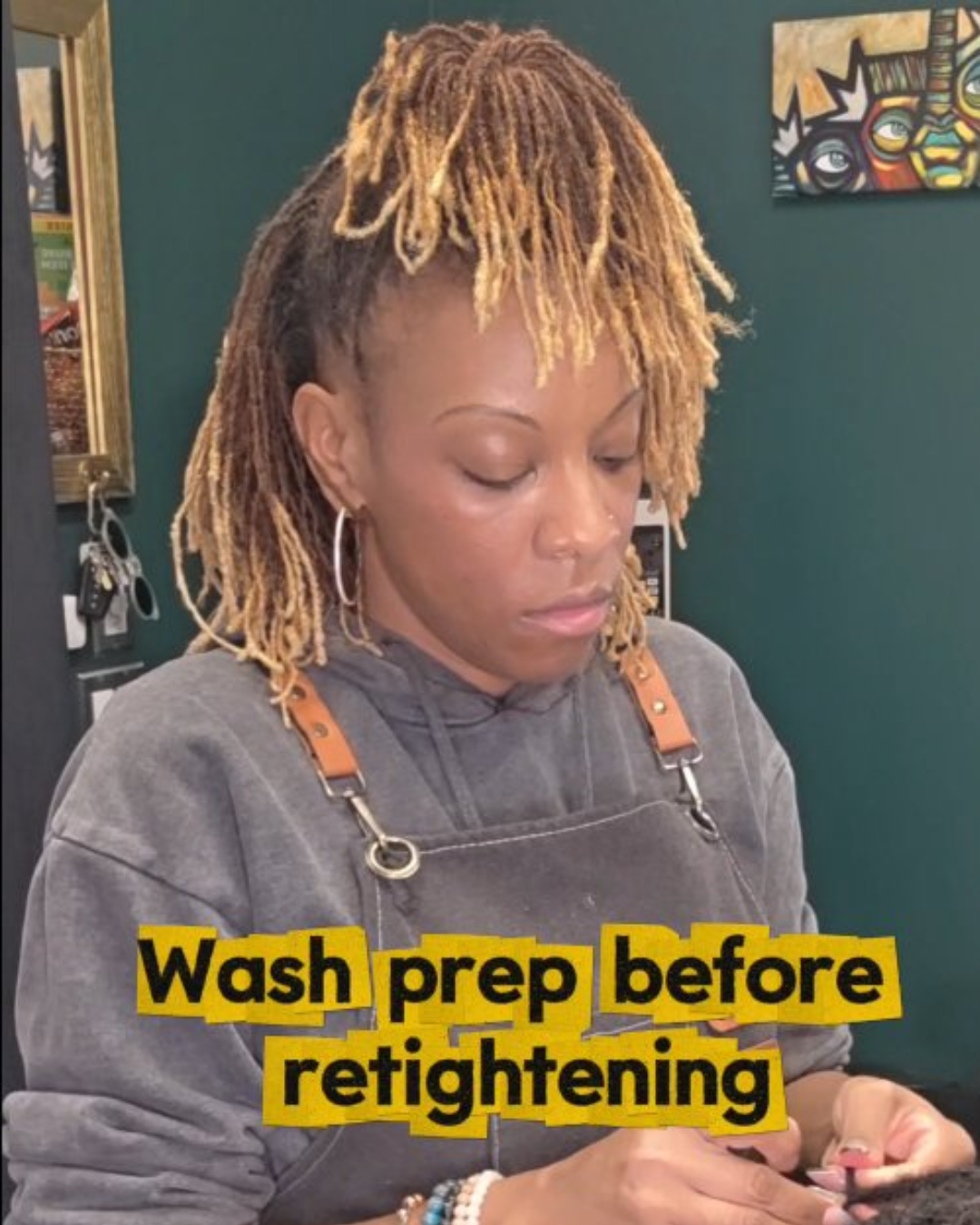
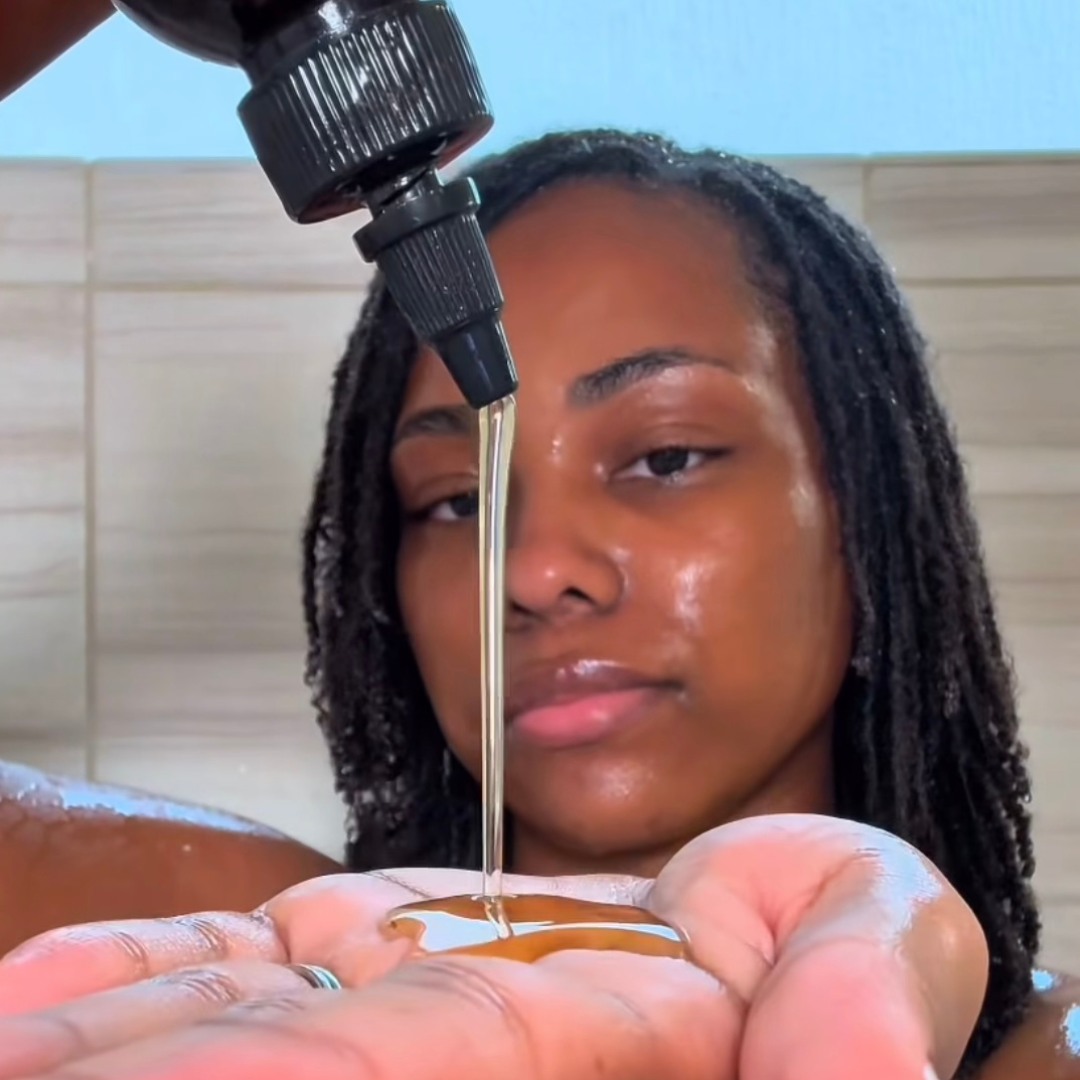
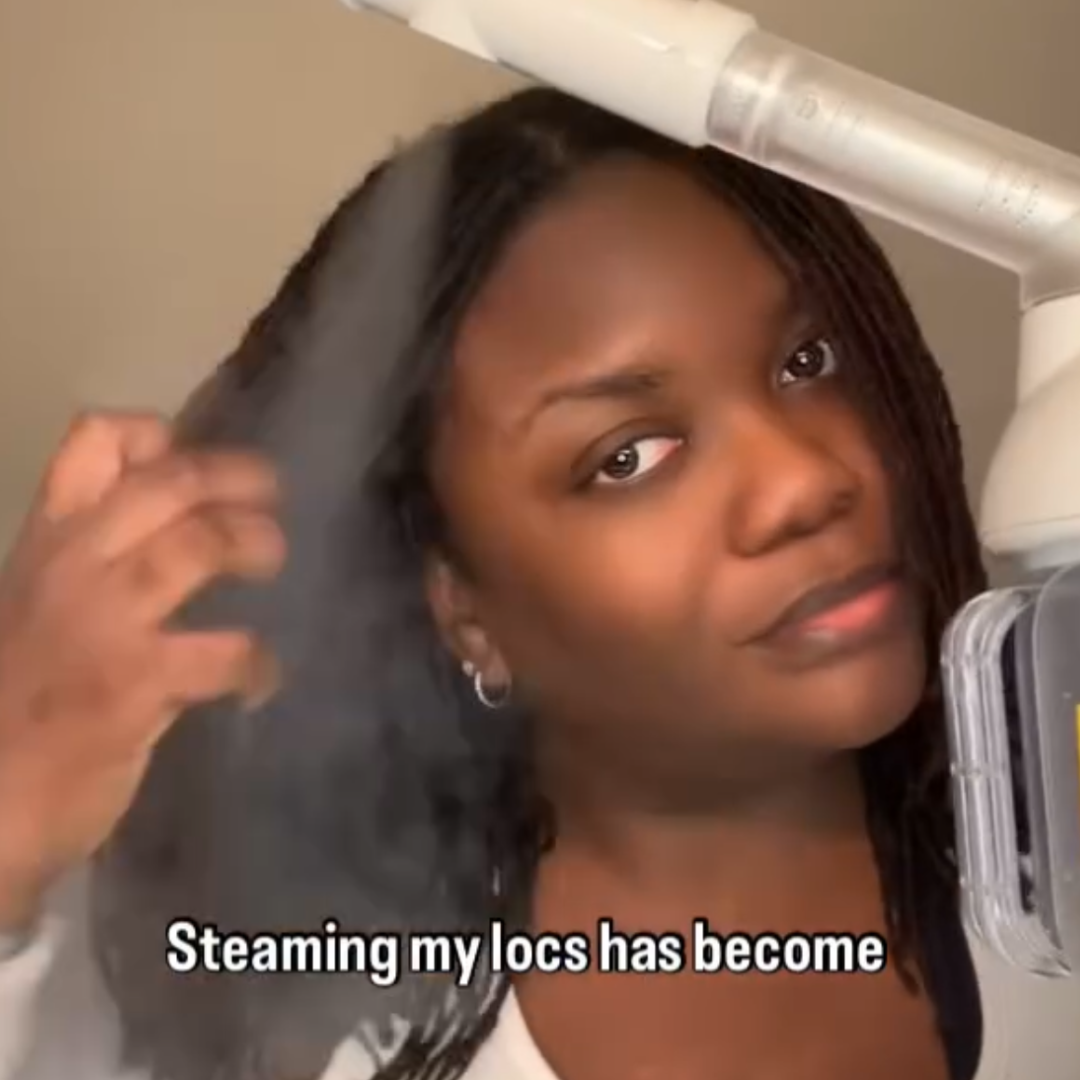
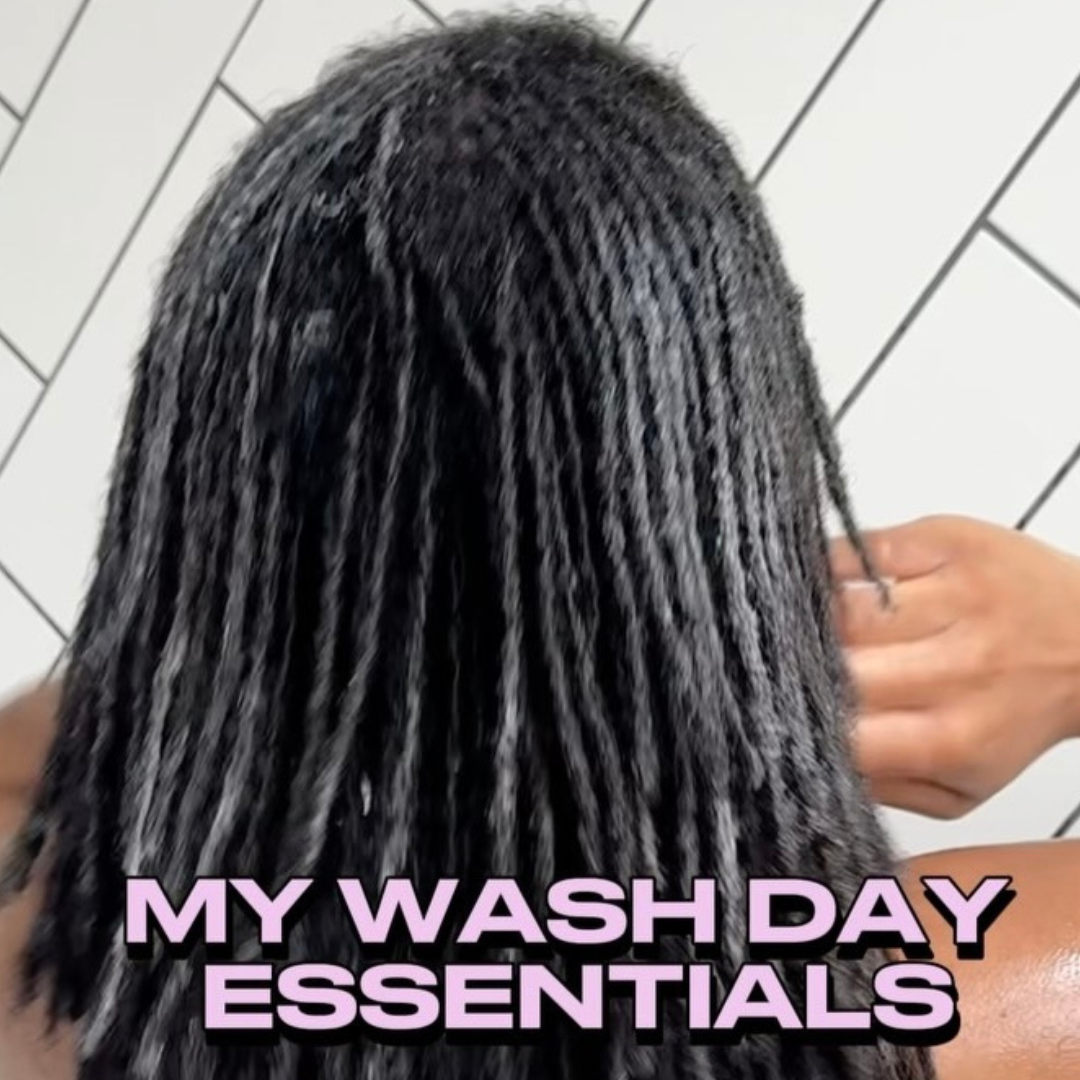
Check out the videos below to see more real life wash day videos from women at different stages of their journey.


Make Self-Maintenance Easier
If you maintain your microlocs at home, a few strategic tools and setups can make your reties faster, easier, and more precise.
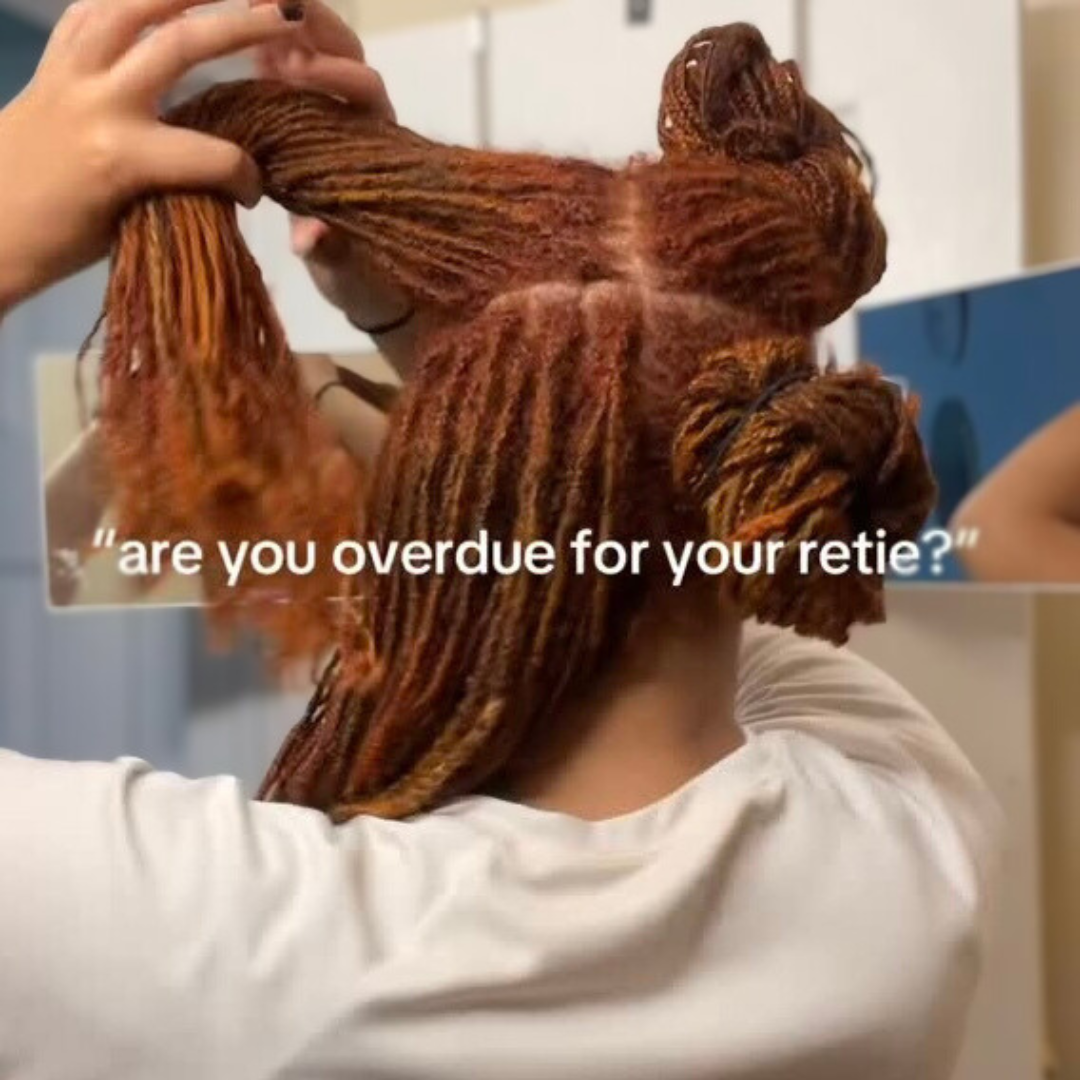
4. Invest in a 3-way Mirror: A 3-way mirror is a game-changer for self-retightening, allowing you to clearly see the back and sides of your head, areas that are hardest to access and most prone to missed rotations. Proper visibility helps ensure consistent parting, even tension, and fewer errors during your retie.
If you don’t have a 3-way mirror, there are several effective alternatives:
Position two stationary mirrors facing each other to view the front and back of your head.
Use one stationary mirror and one handheld mirror to check hard-to-see sections.
As a last resort, use your iPhone’s screen mirroring feature to cast your camera view to a TV or monitor for a larger, hands-free view.
Or, you can create your own, like @Witterbelle does in her self-retie video.
Better visibility means cleaner reties, less strain, and more confidence in your self-maintenance routine.
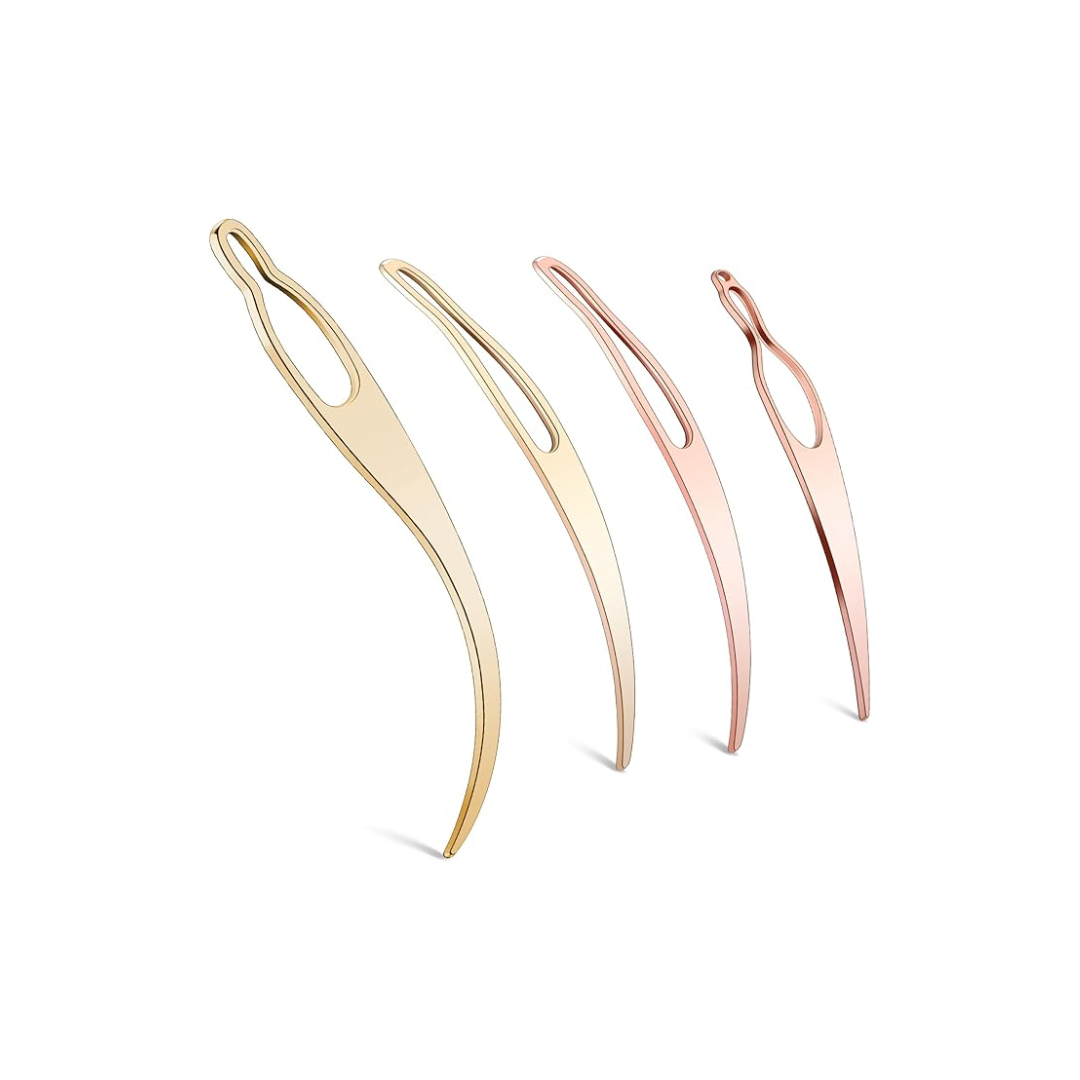
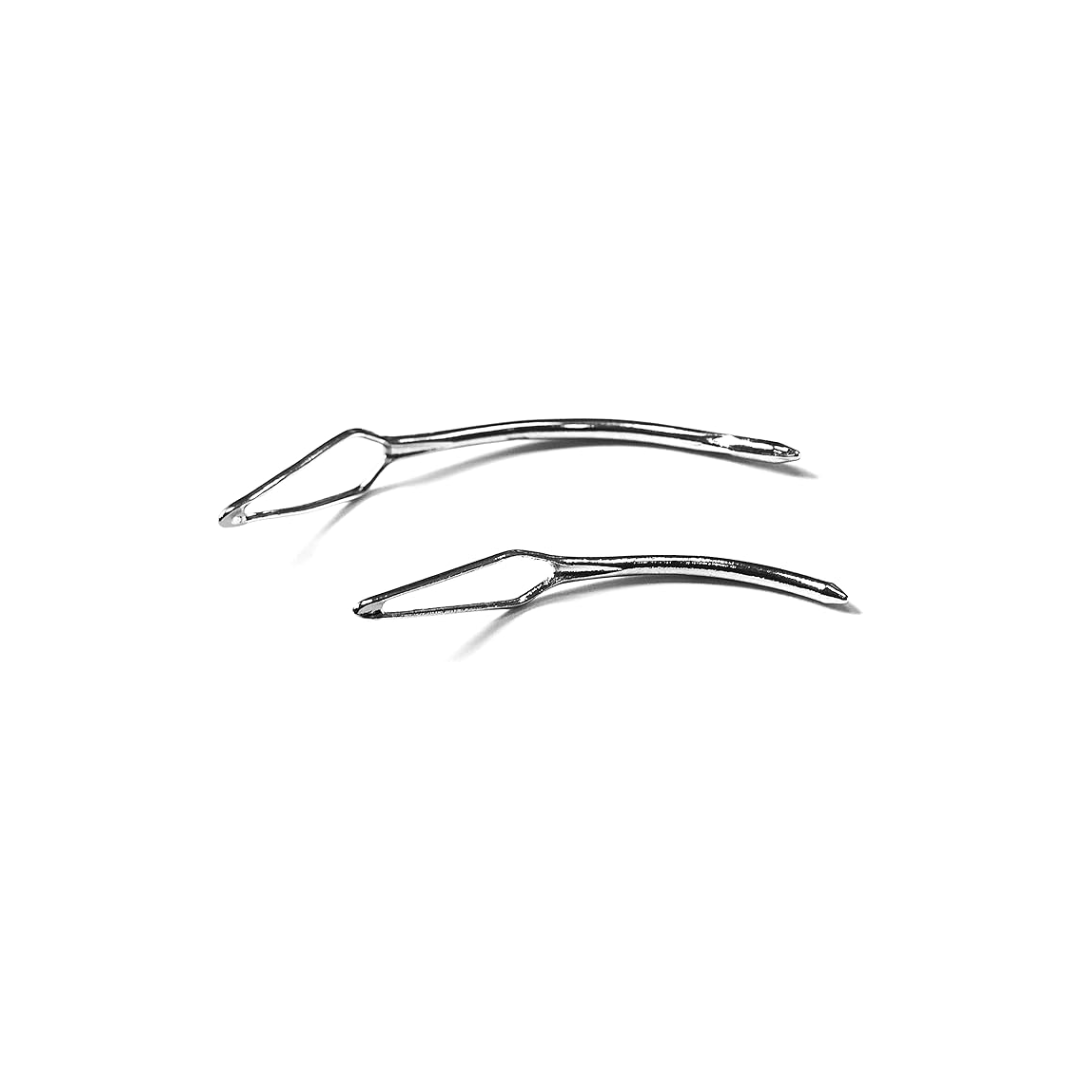
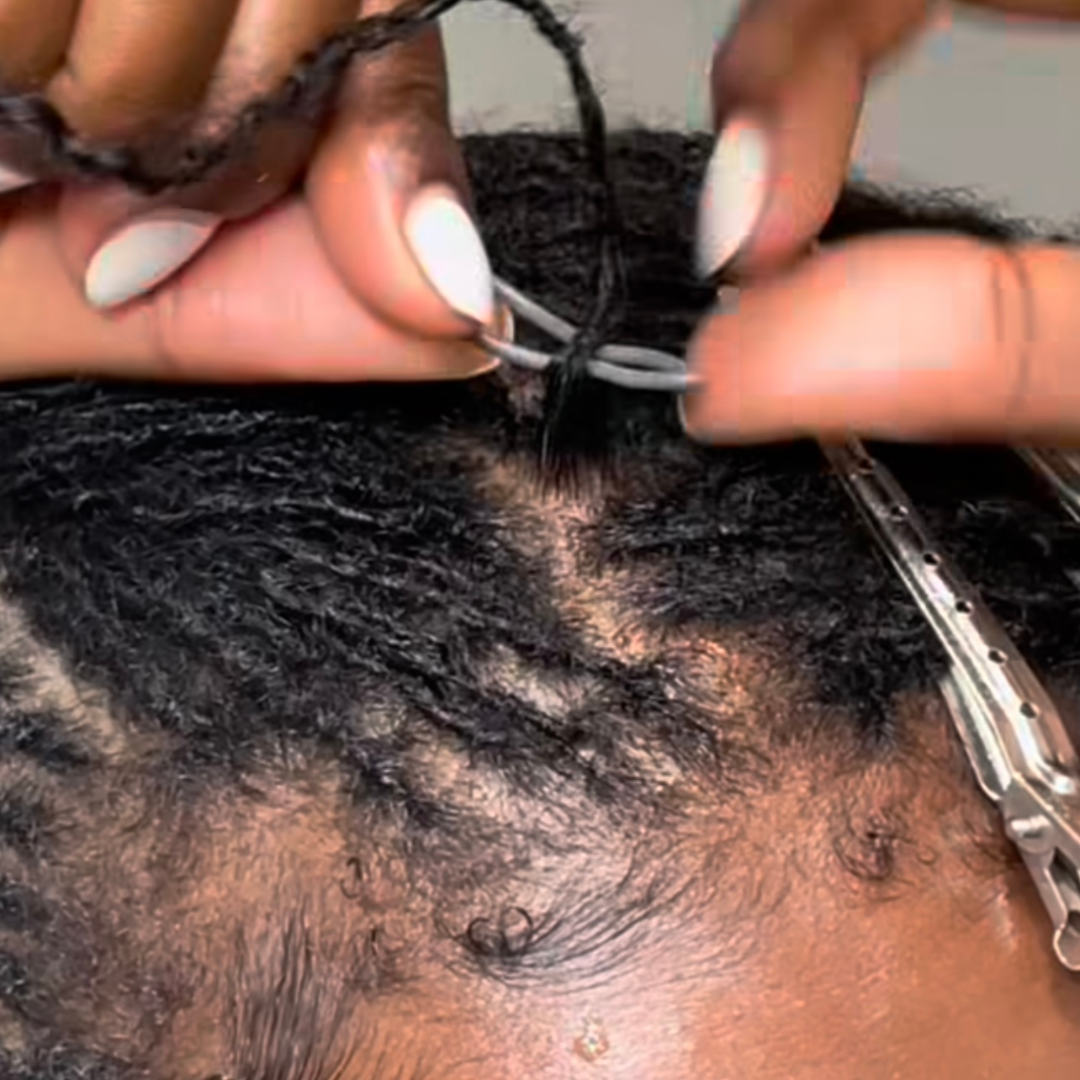
5. Use the Right Tools: Using the correct tools for your microlocs can make the difference between a smooth, efficient retie and one that causes unnecessary tension, breakage, or frustration. While there are several tools available, they generally fall into two main categories, based on how they move through the loc.
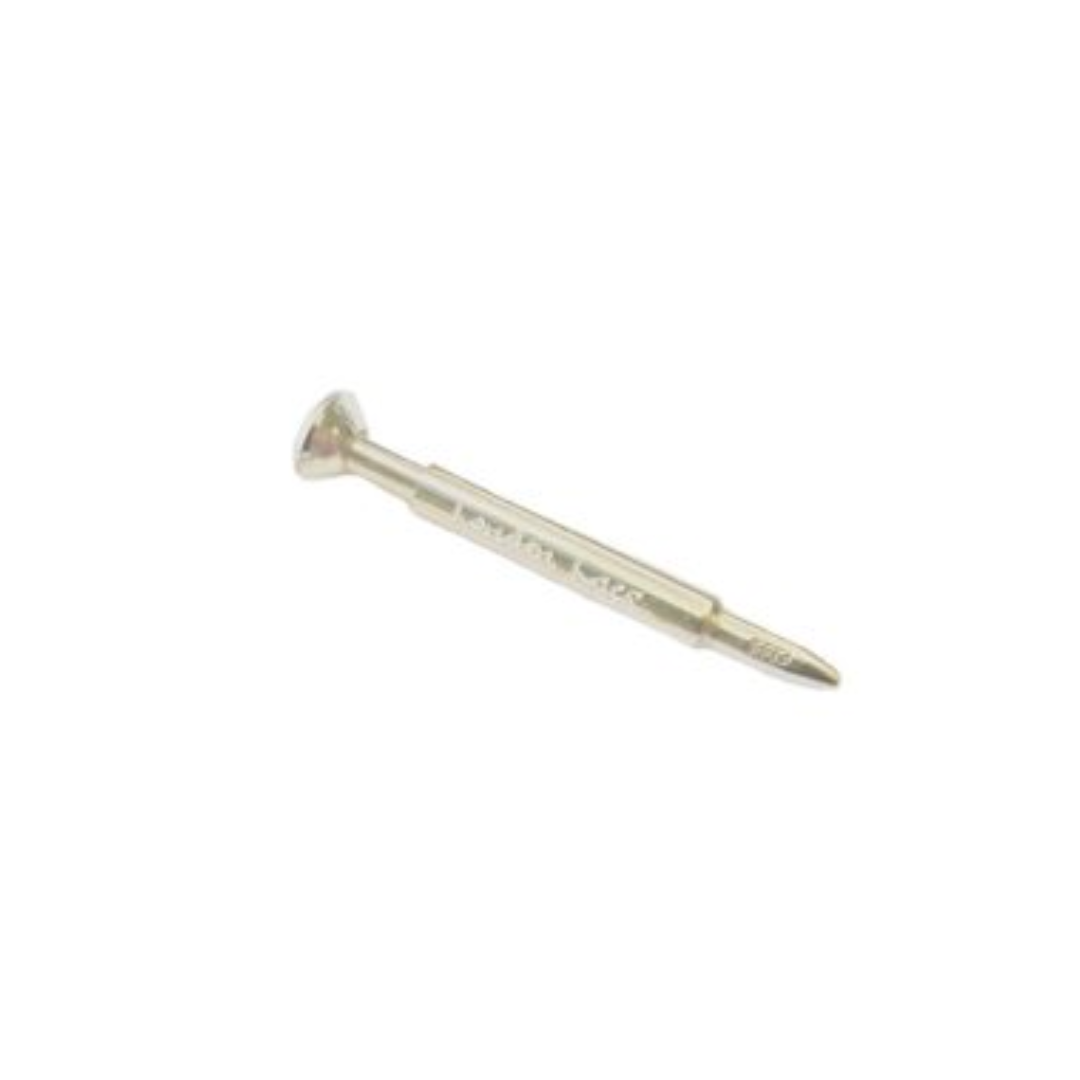
Pull-Through Tools (Same Direction): These tools are inserted and pulled through the loc in the same direction and are best for self-retightening, especially for beginners. Pull-through tools offer more control and reduce the risk of accidentally reversing the rotation or over-tightening the root. Examples include metal loc needles or loop tools. Metal loc needles come in different styles. The ones with wider eyes work best for thicker microlocs or locs with more density. Shorter needles are ideal for shorter locs, making them easier to maneuver close to the scalp. Many self-maintainers test a few options before finding their go-to tool and in some cases, you may even need to customize your tool (shout out to @nappilylocd for this amazing tutorial) to suit your technique and comfort level.

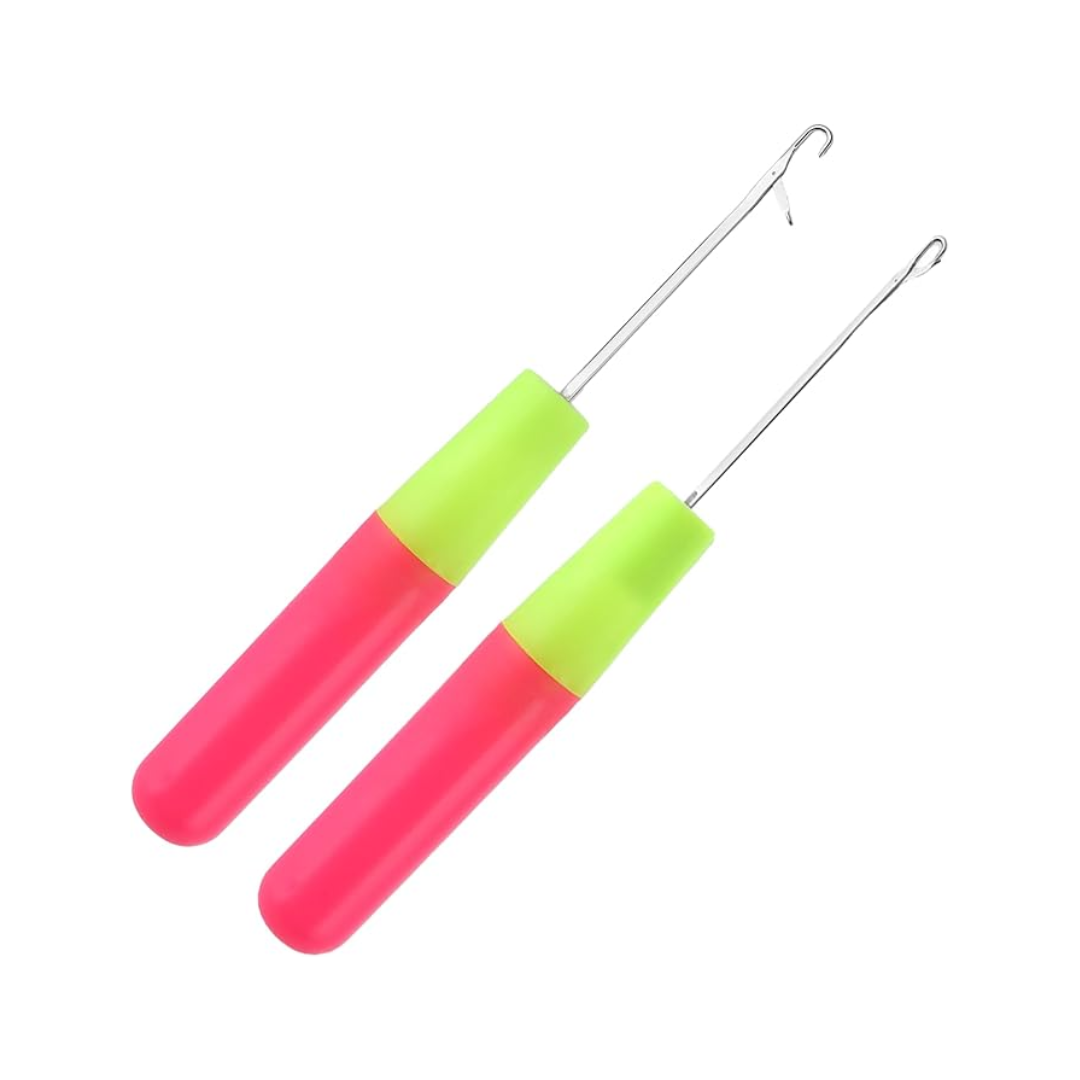
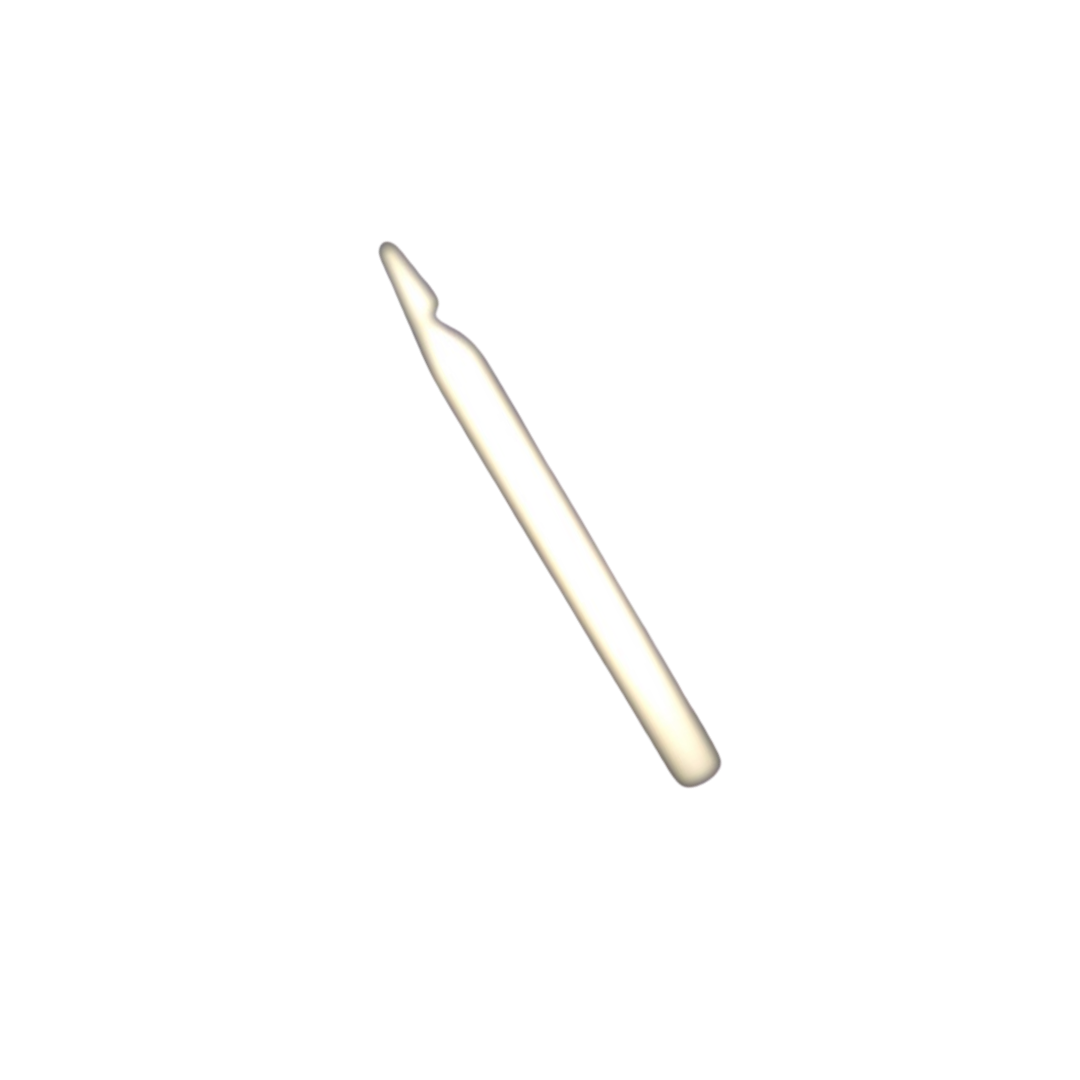
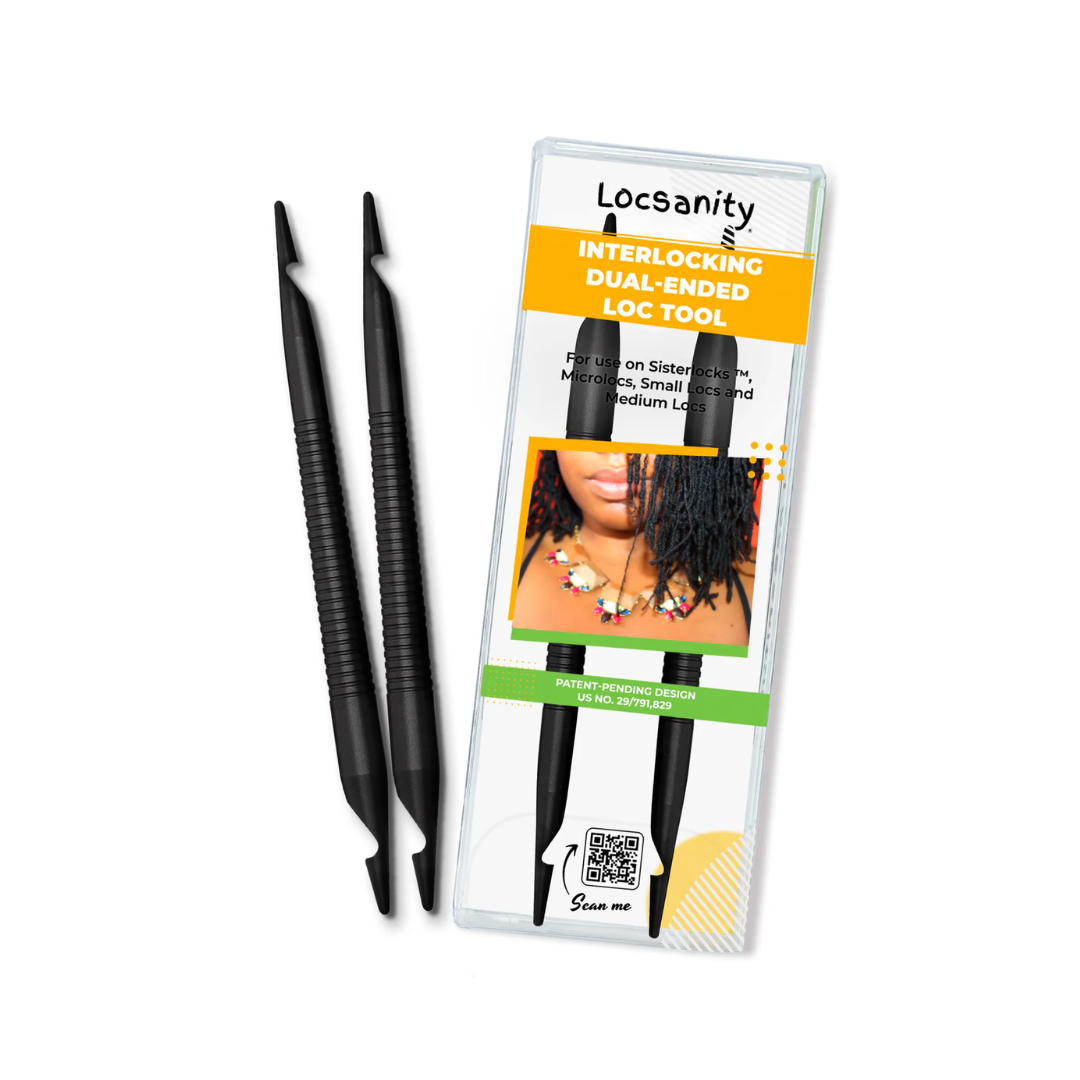
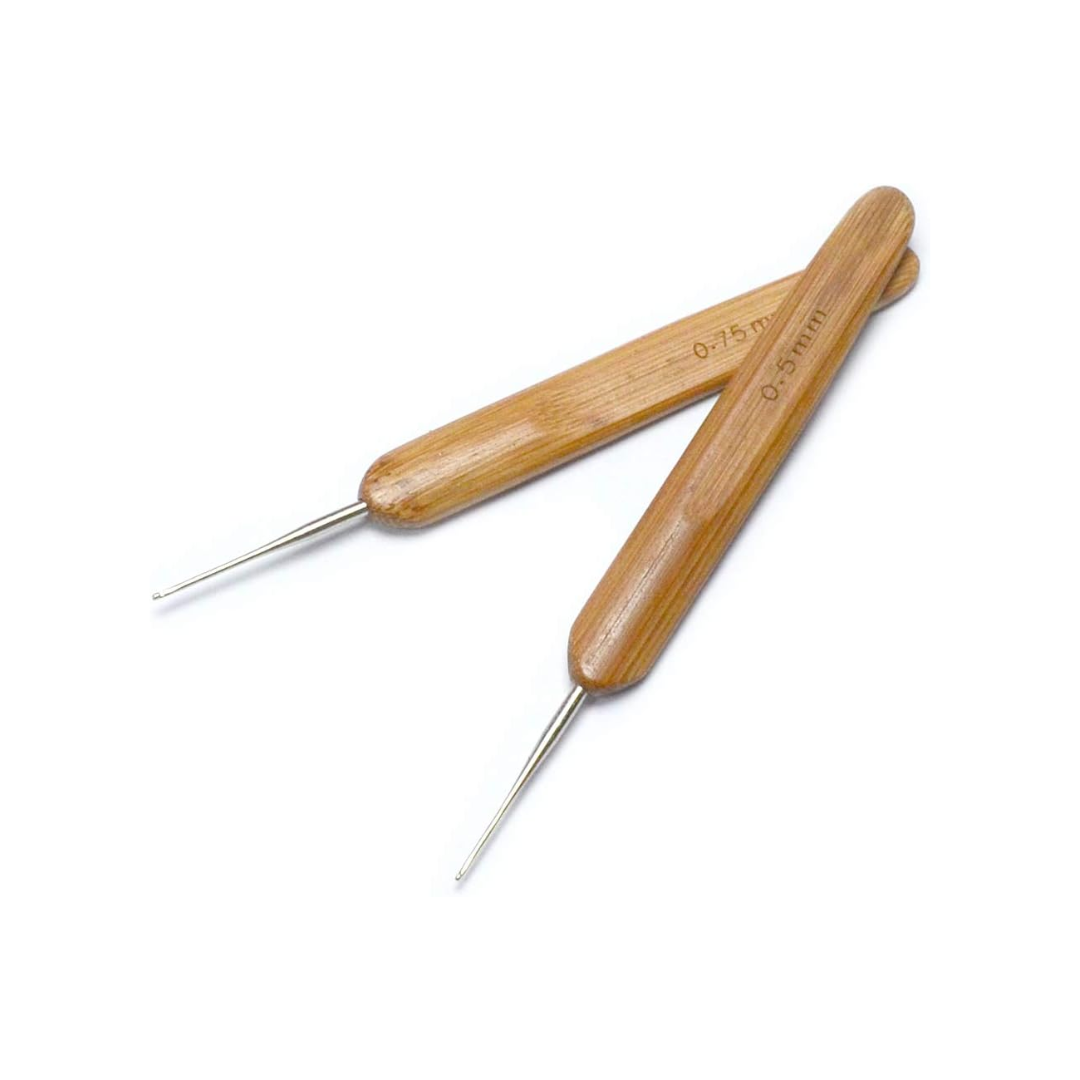
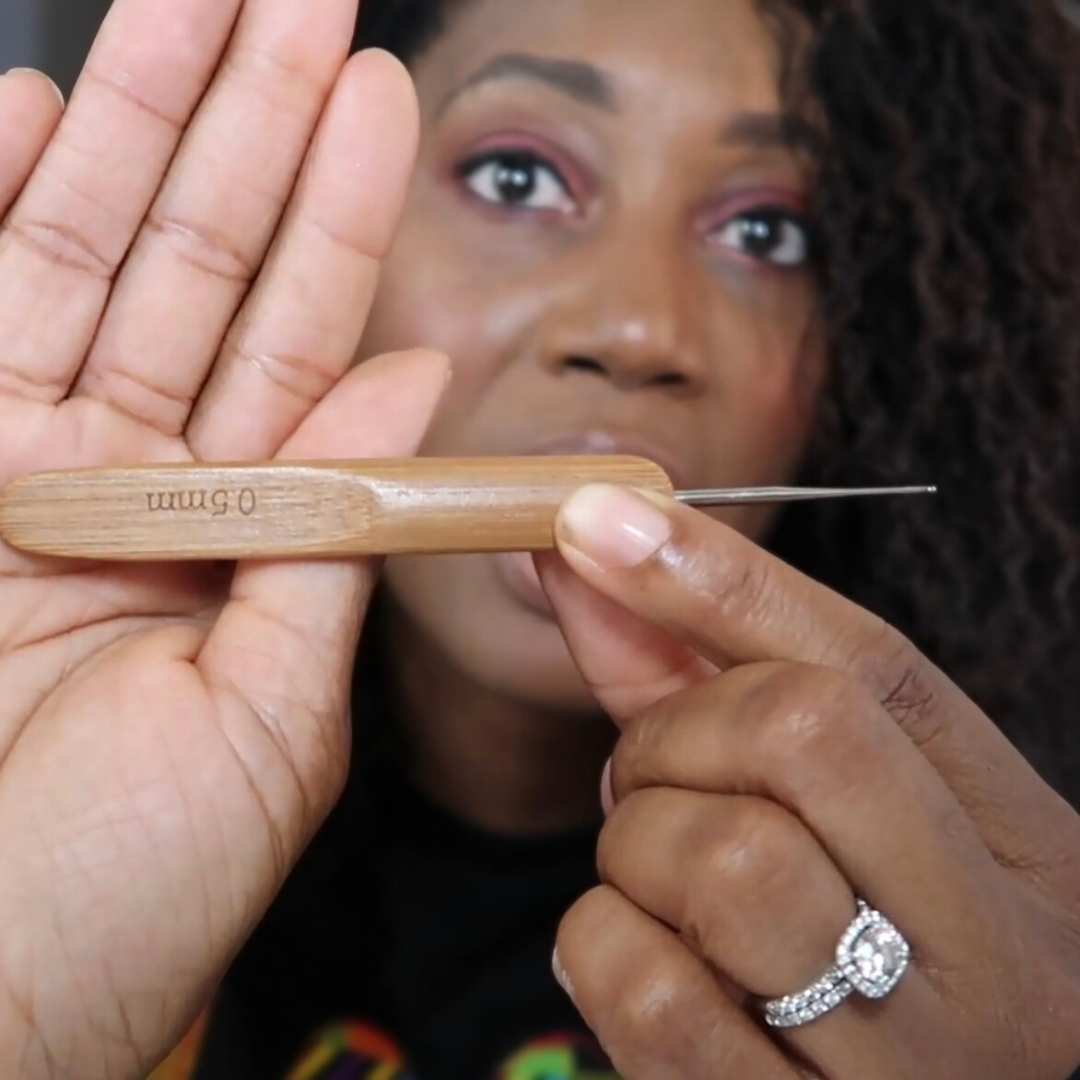
Push-In, Pull-Through Tools (Opposite Direction): These tools are inserted in one direction and pulled out in the opposite direction. They tend to be best for professional retightening or advanced self-maintainers. These tools require precision and experience, as improper use can lead to root thinning, bunching, or weakened locs. Examples include crochet latch hooks, Sisterlocks™ tool, and the DAP or LocSanity tool. Beyond retightening, crochet needles can also be helpful for repairing excess frizz, reattaching broken locs, and strengthening weak areas along the loc shaft.
How to Choose the Right Tool for You: If you’re unsure which tool or size to use, ask yourself,
How many locs do I have?
How thick are my locs?
How long are my locs?
What is my experience level with self-maintenance?
What is my goal: routine reties, repairs, or both?
Understanding your loc size, density, and maintenance goals will help you get the most out of your tools and protect the long-term health of your microlocs.
6. Set a Retightening Schedule and Stick to It: Establishing and maintaining a consistent retie schedule is key to preserving the integrity of your microlocs. Regular reties help prevent slippage, marrying, and breakage at the root while supporting healthy, even growth. Most microlocs should be retightened every 4 – 8 weeks, depending on the stage of your loc journey, your hair texture, and how quickly your hair grows. Starter and early-stage locs typically require more frequent reties, while mature locs can often go longer between appointments. If you miss a scheduled retie, be extra gentle with your hair. Avoid excessive tension, pulling, or tight hairstyles. Skip intricate styles that stress the roots or new growth. Handle new growth carefully to prevent tangling or thinning.
It’s equally important to avoid overtightening or retightening too frequently, which can cause root damage, scalp irritation, and long-term thinning. Always listen to your hair and work with your microlocs loctician to determine the ideal retie schedule for you. Consistency (not tightness) is what keeps microlocs healthy.
Protect Your Edges to Prevent Slippage
Slippage around the hairline is common due to the softer, finer texture of edge hair, but it can be minimized with a few intentional habits.
7. Wear a Shower Cap: Keep your locs dry while showering to protect the integrity of your loc perimeter. If you don’t have a shower cap, a plastic bag secured with a hair tie or clip works in a pinch. Choose a cap that accommodates the length and density of your locs. Opt for longer caps for long locs, wider caps for denser locs, and styles with drawstrings or built-in fasteners for a more secure fit. Before showering, loosely tie your locs with a scrunchie or wrap them to protect your ends and help them fit comfortably inside the cap.
8. Wear a Headband Underneath Your Shower Cap: For added protection, wear a cotton or terry cloth headband when washing your face or underneath your shower cap to absorb moisture before it reaches your edges. If you don’t have a shower headband, a thick cotton headband works well. Tying your hair down with a silk or satin scarf can also help reduce moisture exposure.
9. Prep Your Edges Before Washing: Retying the perimeter locs most prone to slippage before shampooing can help prevent excess unraveling during washing. Be careful not to over-retie or apply too much tension as the locs near the edges are especially delicate and should be secured gently to avoid irritation or thinning.
10. Limit the Use of Gel and Wax: Avoid overusing heavy creams, gels, and waxes along your hairline, as they can dry out your edges and contribute to breakage. When styling, choose lightweight, alcohol-free products to prevent flaking and brittleness. Remove excess product from your edges after styling and before bed. Prioritize hydration with lightweight oils and water-based mousses to support healthy new growth while safely laying and styling your edges.
Style Your Microlocs Like a Pro
Styling your microlocs is one of the best ways to express your personality and highlight the beauty of your locs. Elevate your look with these effortless, loc-safe styling tips.
11. Prioritize Heatless Curls: Opt for heat-free curling techniques like perm rods, pipe cleaners, rollers, flexi rods, or bantu knots to create definition without compromising the health of your locs. If you choose to use heat, keep tools on the lowest setting to minimize damage. Select your curling method based on the length and density of your locs. Longer locs pair well with jumbo rollers, flexi rods, and pipe cleaners, while perm rods and bantu knots are ideal for shorter locs.
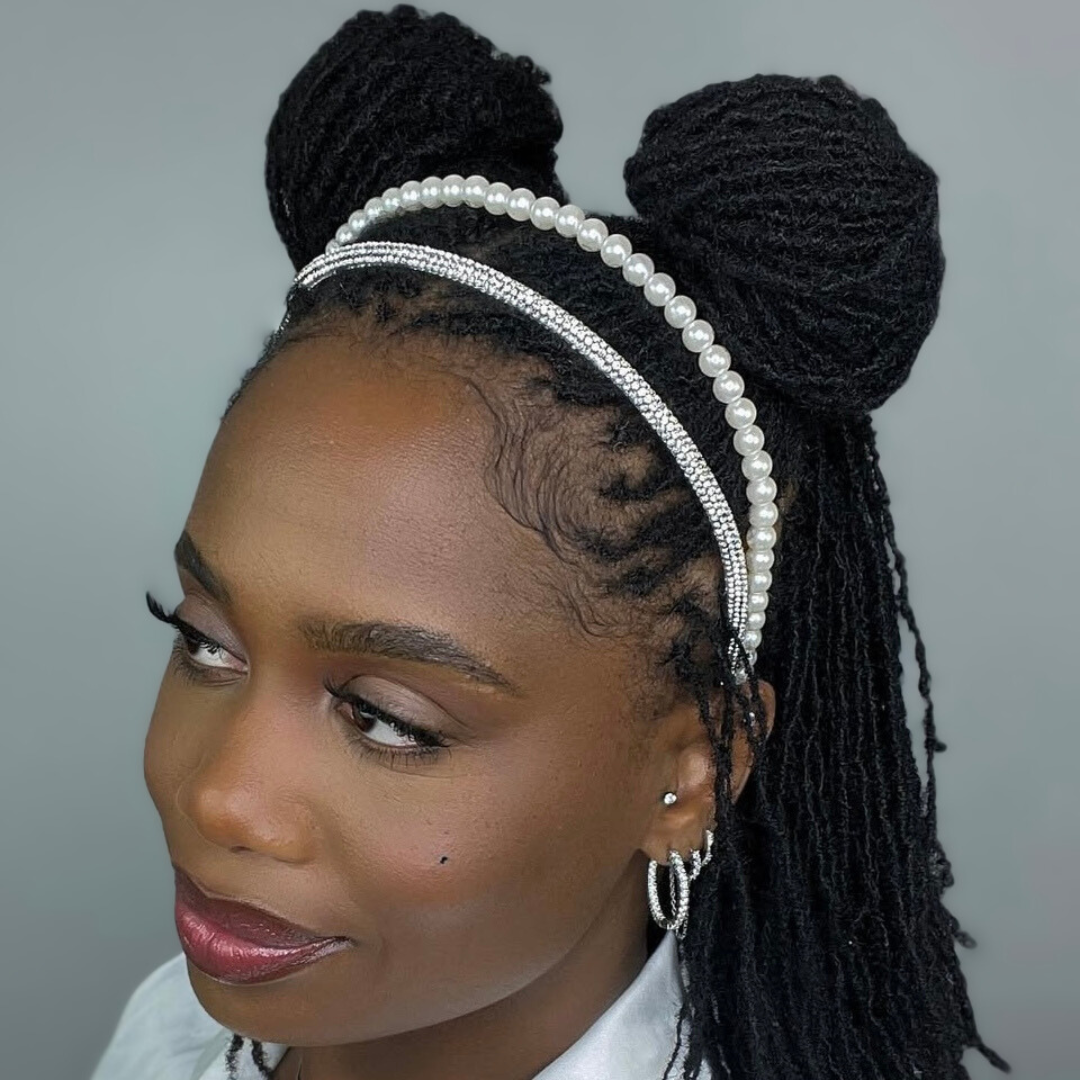
12. Minimize Tension with Half-Up, Half-Down Styles: Reduce stress on your scalp by loosely securing the top half of your locs into a bun or ponytail while leaving the rest down. For a playful twist, try double buns or ponytails on the top section. Finish the look with a silk or satin scrunchie, scarf, or hair tie to protect your locs while adding style.
13. Style with the Occasion in Mind: Choose styles that complement the setting and tone of your event. When in doubt, remember, updos are timeless and elegant, low buns feel polished and professional, side parts are effortlessly chic, and French twists or braided styles add intricate, eye-catching detail. Explore our styling lookbooks for endless microlocs inspiration.
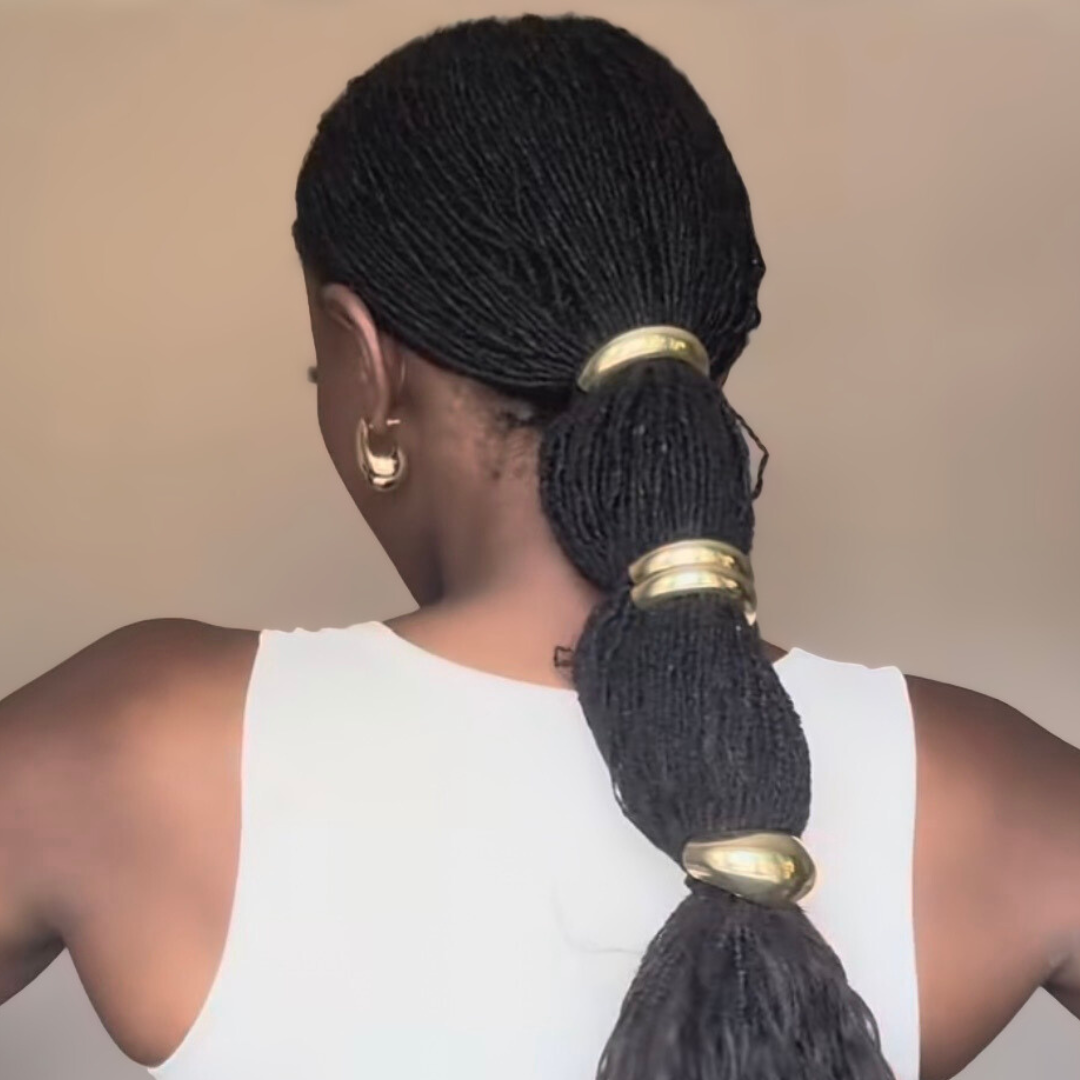
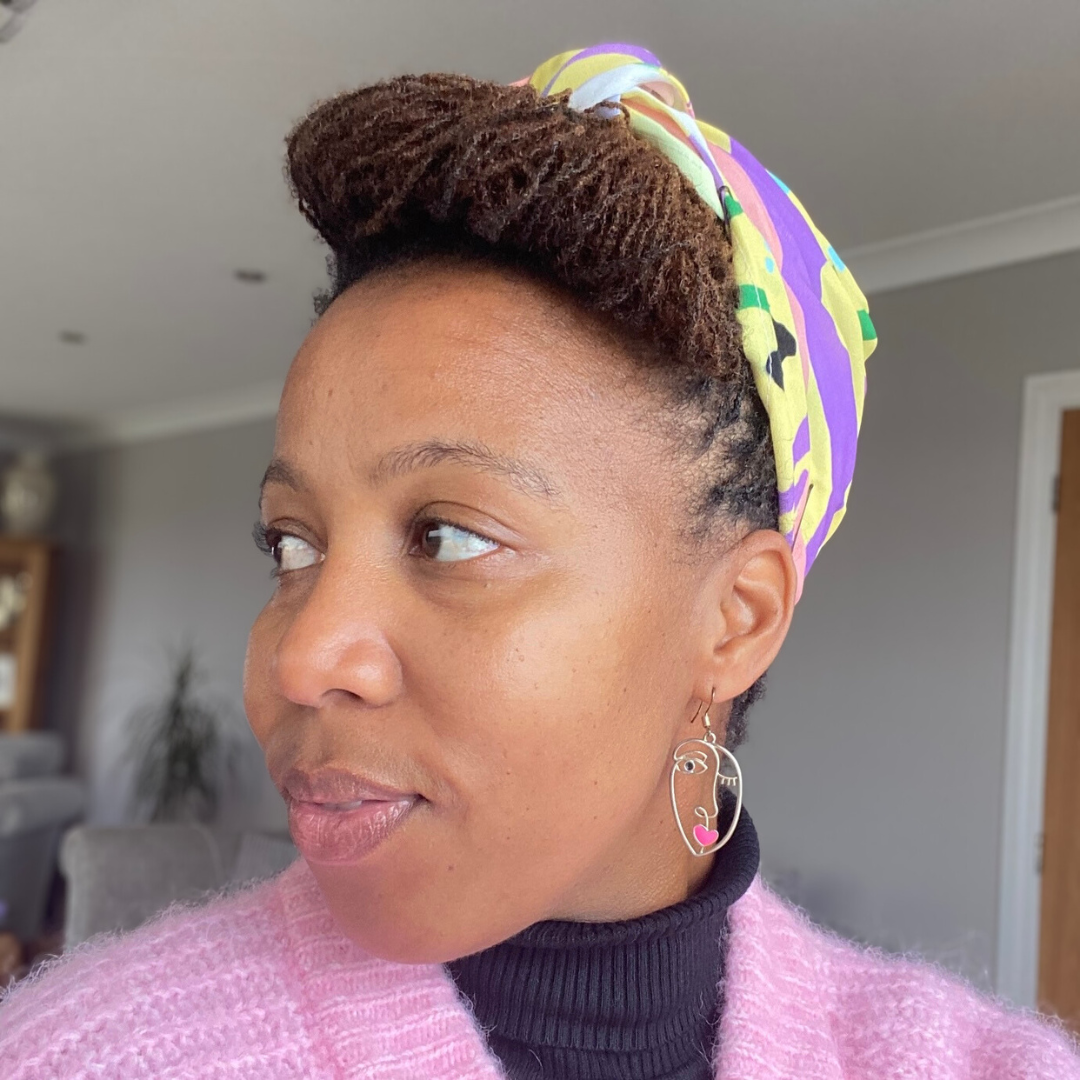
14. Accessorize Instead of Over-Styling: If frequent styling isn’t your preference, style with accessories instead. Statement cuffs, beads, scarves, or headbands offer an easy, low-tension way to switch up your style while keeping your locs protected.

Invest in the Right Microlocs Products for You
Finding the right products for your microlocs is a game-changer. Incorporate these product best practices into your routine to protect your locs from buildup, thinning, and breakage.
15. Avoid Heavy Products: Commit to using water-based products and lightweight oils. Use residue-free, clarifying shampoos to promote clean and healthy locs and prevent product build-up. If you use heavier products, be sure to wash and deep clean your locs to remove any product build-up.
16. Keep a Spray Bottle Handy: Continuous spray bottles are the best way to distribute moisturizing products throughout your scalp and locs. Fill a spray bottle with distilled water or a lightweight mist like rosewater and use it to hydrate your locs a few times a week.
17. Always Wear Satin & Silk Bonnets to Sleep: Use satin / silk bonnets, headties, and scarves when styling and sleeping to protect your hair from drying out and prevent breakage. If you prefer to keep your locs loose while sleeping, invest in a satin / silk pillowcase to avoid friction and thinning.

Wear Your Microlocs with Confidence
Microlocs are beautiful at every stage of the journey. Wear them proudly, knowing you’re part of a supportive, global community of loc’d beauties.
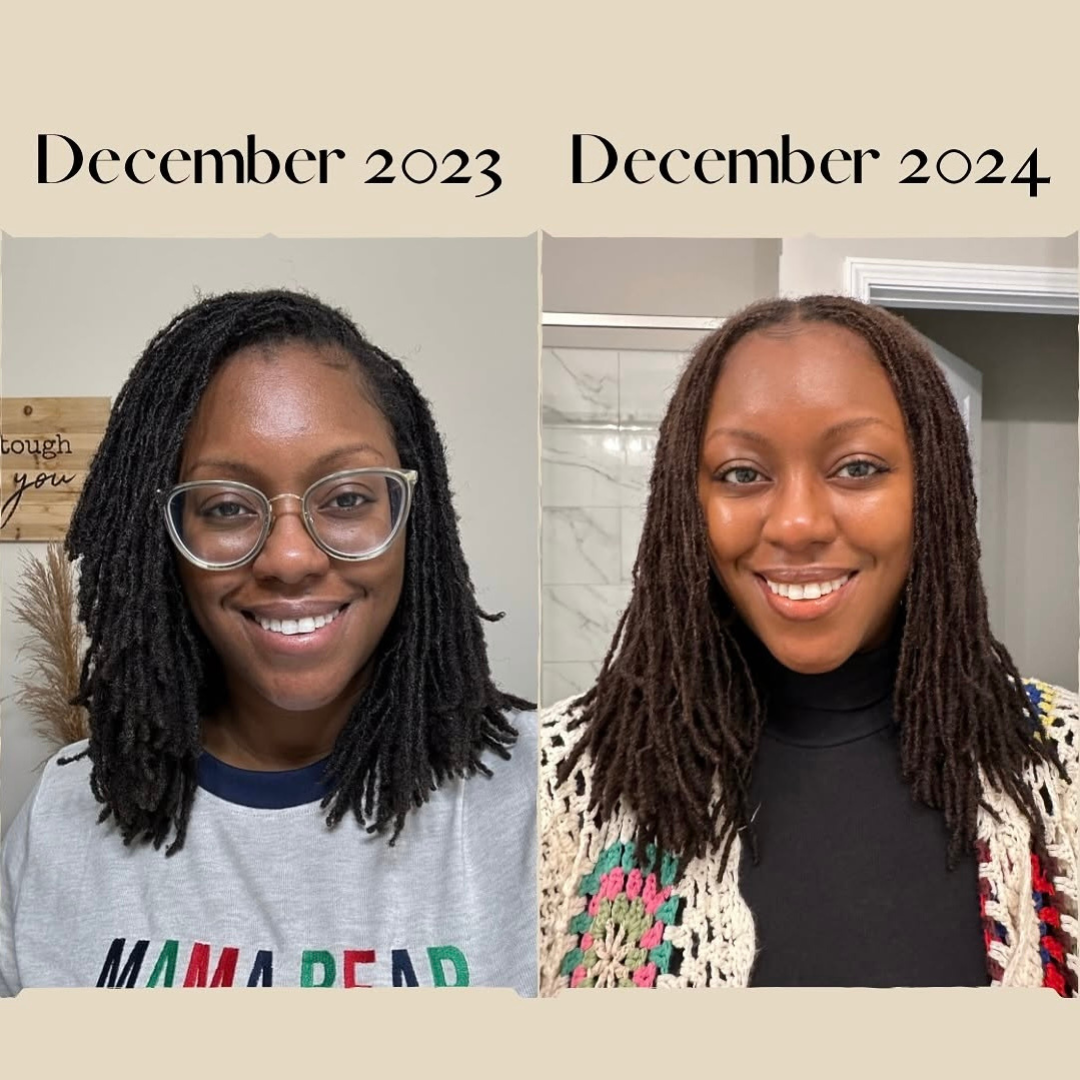
18. Document Your Microlocs Journey: Capturing photos is one of the best ways to stay encouraged throughout your microlocs journey. If you enjoy reflecting on your growth and milestones, add monthly loc check-ins to your routine. Consider keeping a blog or digital scrapbook on Instagram to track length, favorite styles, and the moments that remind you why you chose locs.
19. Join Microlocs Communities: Connect with others in the microlocs community to stay inspired, informed, and supported. Whether you’re looking for styling ideas, maintenance tips, or real-life advice, online microlocs groups are a powerful resource. Follow loc-focused pages on social media like @omalocsbeauty or join discussions and ask questions in spaces such as the Microlocs subreddit to stay tapped into trends and shared experiences.
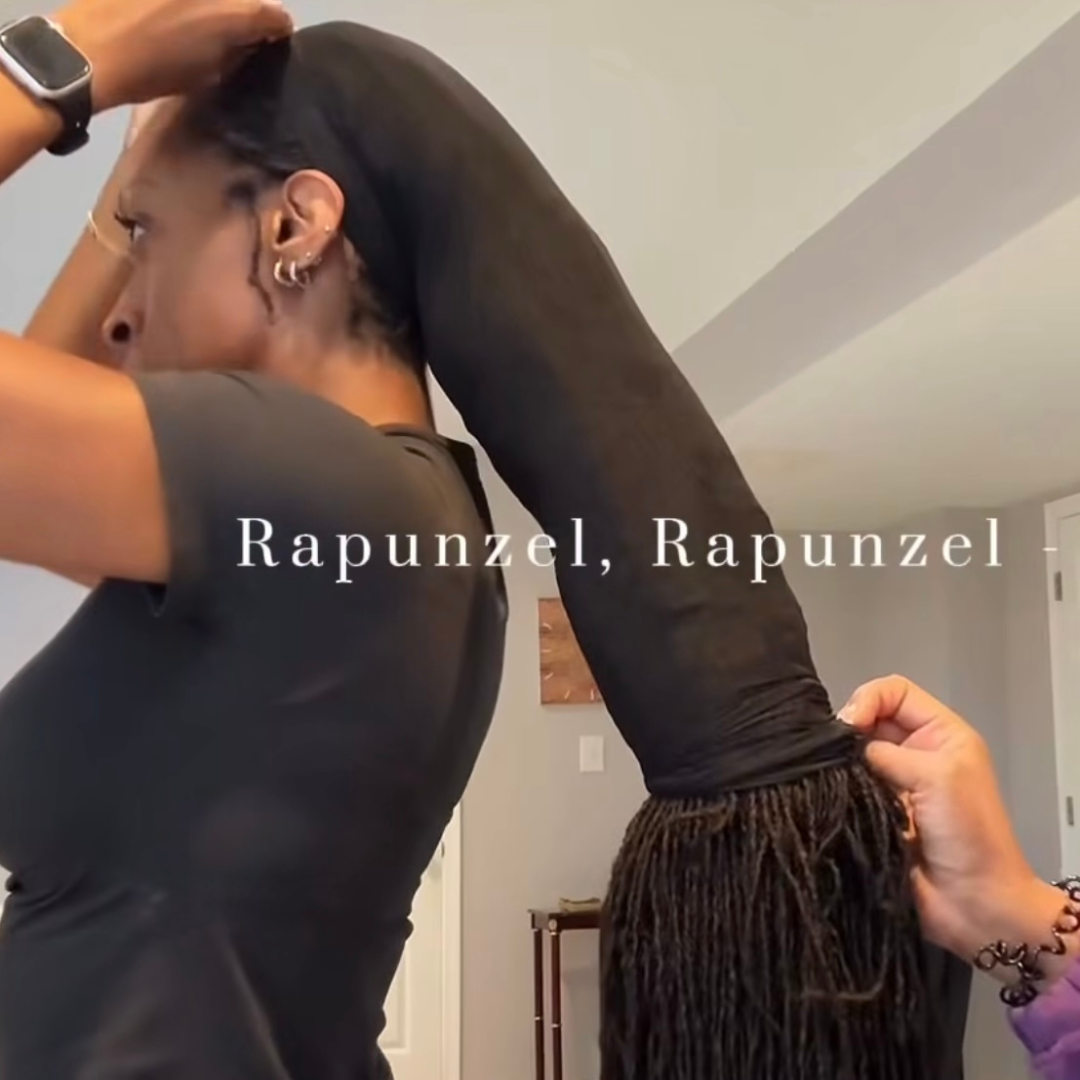
20. When in Doubt, Wear Your Locs Out: Sometimes the best style is no style at all. Embrace the natural flow of your microlocs and wear them out to showcase their effortless beauty and versatility.


The most important hack is to be consistent with your haircare routines and embrace your microlocs journey. Remember, the best hacks are those that are personal to you, so explore, play, and try new things until you find your loc go-tos and favorites. In case you missed it, enjoy our holiday wishlist of Black-owned microlocs brands and grab some of our fav essentials to elevate your loc experience. Let us know which hacks are part of your holy grail by sharing your favorite locs tips and tricks in the comments below.