
The Breakage Breakdown: How to Manage Thinning Microlocs and Sisterlocks
Have your microlocs hit a breaking point? Breakage, shedding, and thinning can show up at any stage of your journey and each tells a different story. Breakage is a fracture along the shaft. Shedding occurs at the root, where the hair separates from the scalp. Thinning is a gradual change in diameter that disrupts your locs’ uniformity.
These issues can stem from many sources: over-manipulation, improper maintenance techniques, vitamin deficiencies, postpartum changes, and more. Over time, damaged locs may need reinforcement to support weaker areas, but with the right repair routine, your microlocs can look and feel renewed.
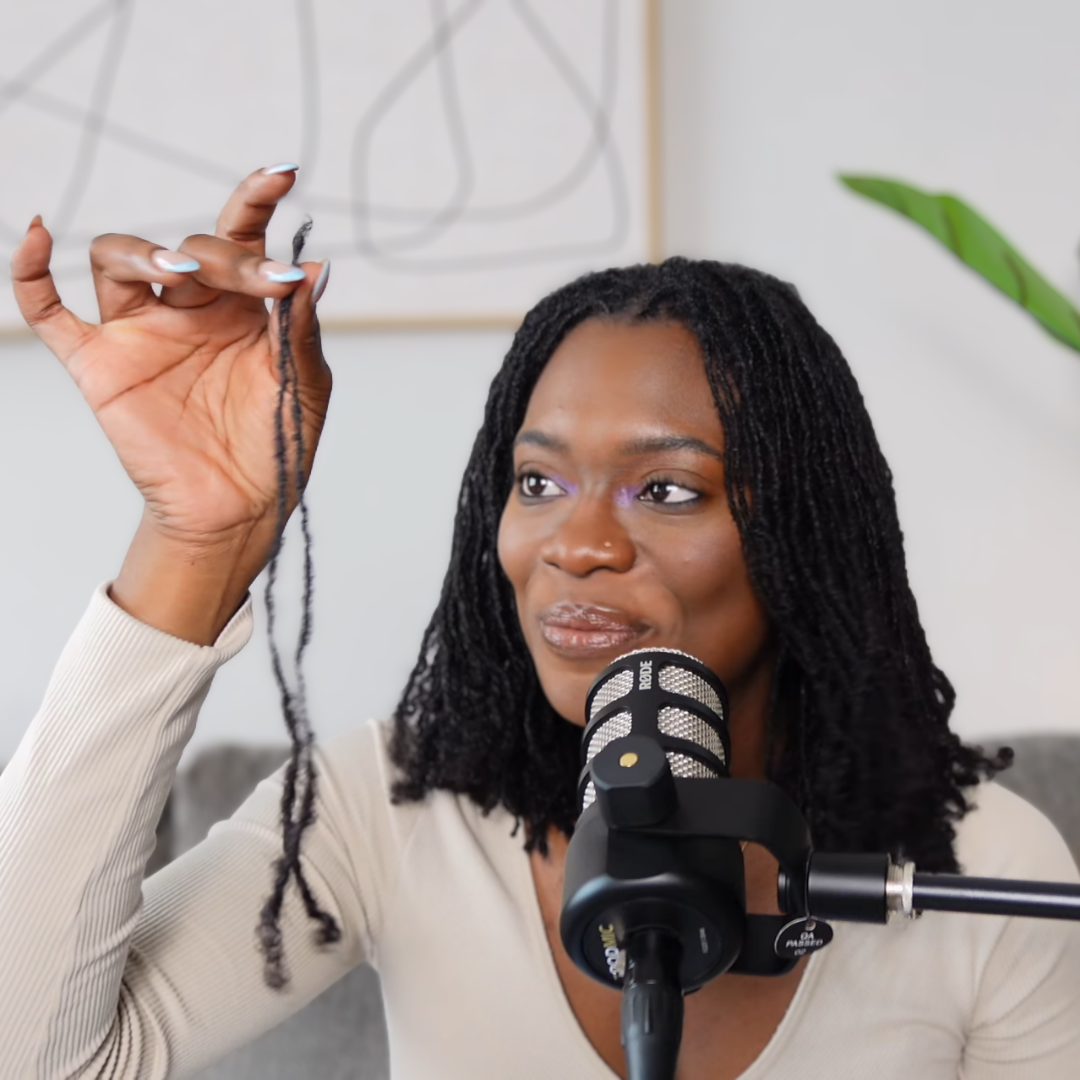
Give your locs the TLC they deserve. Learn what causes breakage in microlocs and how to treat it, repair it, and prevent it moving forward. Catch up on the key facts about breakage and shedding, and get professional guidance on maintaining strong, resilient locs with this Breakage 101 video from Pauline (@EnToiBeauty), one of our favorite microlocs locticians and licensed cosmetologists!
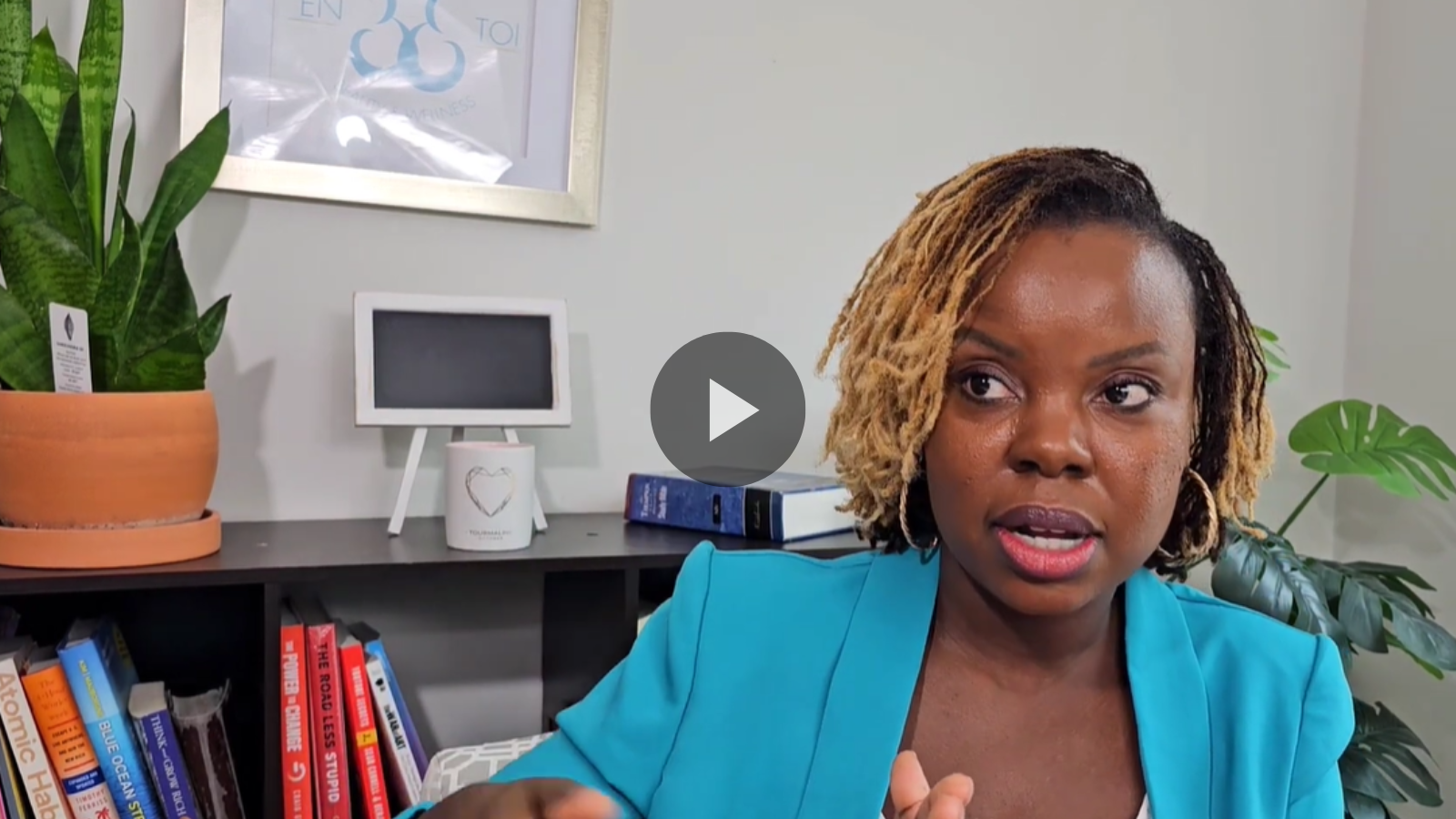
What Causes Breakage in Microlocs
Breakage usually results from prolonged (and often severe) thinning within the loc. While the root cause varies from person to person, three major factors tend to weaken microlocs: improper maintenance routines, chemical and environmental stressors, and internal wellness. Below are the most common maintenance-related contributors to breakage:
1. Improper Maintenance Routines
Excessive Tension: Constant tugging, pulling, and over-tightening (like forcing that “one last rotation”) can compromise the strength of your locs. If your retie feels overly tight or you frequently wear high-tension styles (tight ponytails, buns, or updos) you may be creating stress points that lead to breakage. Using hair ties, headbands, and clips that snag can also create weak spots along the shaft.
Improper Retie Techniques: Reties that are too frequent, inconsistent, or done incorrectly are among the top causes of breakage. Microlocs are a tension-based style, and retying sooner than every 4 – 8 weeks can place unnecessary strain on your scalp, increasing the risk of traction alopecia.
Conversely, stretching your retie too far can cause breakage as new growth becomes too loose to support the weight of the interlocked portion. Inconsistent grid patterns also cause damage over time as each retie may break tiny strands, eventually creating weak, uneven locs.
Lack of Moisture: Dry, brittle locs are more prone to snapping. Hydration is essential: regularly mist your microlocs with a water-based moisturizer a few times per week to keep them supple and healthy. Remember, hydration starts from within. Drinking enough water daily supports the resilience of your locs.
Rough Handling: Microlocs require gentle handling during washing, styling, and interlocking. Forceful manipulation or abrasive techniques can lead to thinning and breakage. When retying, use clips or pins to keep sections neat so you don’t accidentally combine locs and later have to pull them apart. Always sleep with a satin or silk bonnet to minimize friction and protect your locs overnight.
Curly Microlocs Ends: Leaving too much loose or curly hair at the ends of your microlocs can lead to unexpected breakage. The hair at your tips is the oldest, most delicate part of the strand, which means it requires extra moisture and care. When this loose hair remains significantly different in texture from the interlocked portion, it creates a line of demarcation, a natural weak point where breakage is more likely to occur.
Curly ends can also begin to bunch, forming thicker, compacted sections at the tips. During reties, these thicker ends have to pass through the much smaller root area, creating tension and friction. Over time, this repeated stress can cause breakage at the root or weaken the base of the loc.
Managing your curly ends with proper trimming, moisturizing, and gentle handling helps reduce stress on your locs and preserves their long-term integrity.
Microlocs Extensions: Adding extensions to microlocs (whether at the root, along the shaft, or at the ends) introduces additional weight that small locs aren’t always strong enough to support. Even when the added hair feels light, the cumulative weight can strain the root and the interlocked structure, leading to thinning, slippage, or breakage over time.
If you choose to install extensions, be intentional about how much hair you add. Use lightweight hair that closely matches the density of your natural loc, avoid adding more grams than your loc can realistically support, and keep the style in for a limited time. Thoughtful installation and maintenance can help minimize tension and protect the long-term integrity of your microlocs.
2. Chemical & Environmental Stressors
Harsh Products: Chemical dyes /(especially those containing bleach) can weaken the internal structure of your locs. These treatments strip moisture, cause dryness, and compromise the integrity of the hair strand from the inside out, leading to thinning and breakage.
Heat Damage: High heat from blow dryers and hot tools can scorch or weaken the loc, making it more susceptible to snapping. Always use low heat settings when blow-drying, and avoid excessive direct heat altogether to protect the longevity of your microlocs.
Environmental Friction: Constant rubbing against rough fabrics or surfaces can gradually thin your locs. Pay attention to friction from coat collars, scarves, sweaters, car headrests, and non-satin or non-silk bedding. Reducing this everyday friction helps maintain the strength of your locs over time.
3. Internal Causes:
Hormonal Changes & Stress: Your internal health plays a major role in the strength of your microlocs. Shifts in hormones such as puberty, pregnancy, postpartum, perimenopause, and menopause) can alter your hair’s growth cycle. These fluctuations may push more strands into the shedding phase, leading to noticeable thinning at the root and increased vulnerability to breakage.
Daily stress also impacts hair health. Elevated cortisol levels can disrupt the normal hair cycle, slow growth, and reduce the strength of new strands. Over time, this can create weaker sections within your locs that are more likely to fracture.
Nutritional Deficiencies: Microlocs thrive when your body has the nutrients it needs to produce strong, healthy hair. Deficiencies in key vitamins and minerals, such as iron, vitamin D, zinc, biotin, and protein, can weaken the hair shaft and lead to shedding, thinning, or breakage. Because locs rely on the strength of each new hair that interlocks into the structure, consistent nutrient gaps can visibly impact the integrity of your microlocs.
Eating a balanced diet, staying hydrated, and consulting a doctor if you suspect a deficiency can support healthier, more resilient locs.
Locating Weak Spots & Potential Breakage Points
Weak spots in microlocs often appear thinner, drier, and more brittle than the surrounding areas. Catching these early can help you prevent full breakage and reinforce your locs before damage worsens. Here’s how to identify them.
Look for an Hourglass Shape: An hourglass or “pinched” section is one of the most common signs of internal weakness. This shape develops when repeated pulling, tension, or improper retie techniques gradually thin out one area of the loc. These sections are significantly more fragile and are often the first to snap if left untreated.
Check the Neckline & Shoulder Area: Locs that rest on your shoulders or rub against collars, sweaters, scarves, and jackets are exposed to constant friction. Over time, this rubbing wears down the hair cuticle, causing thinning, snagging, and breakage along the lower portion of your locs. If most of your weak spots appear at this length, friction is likely the culprit.
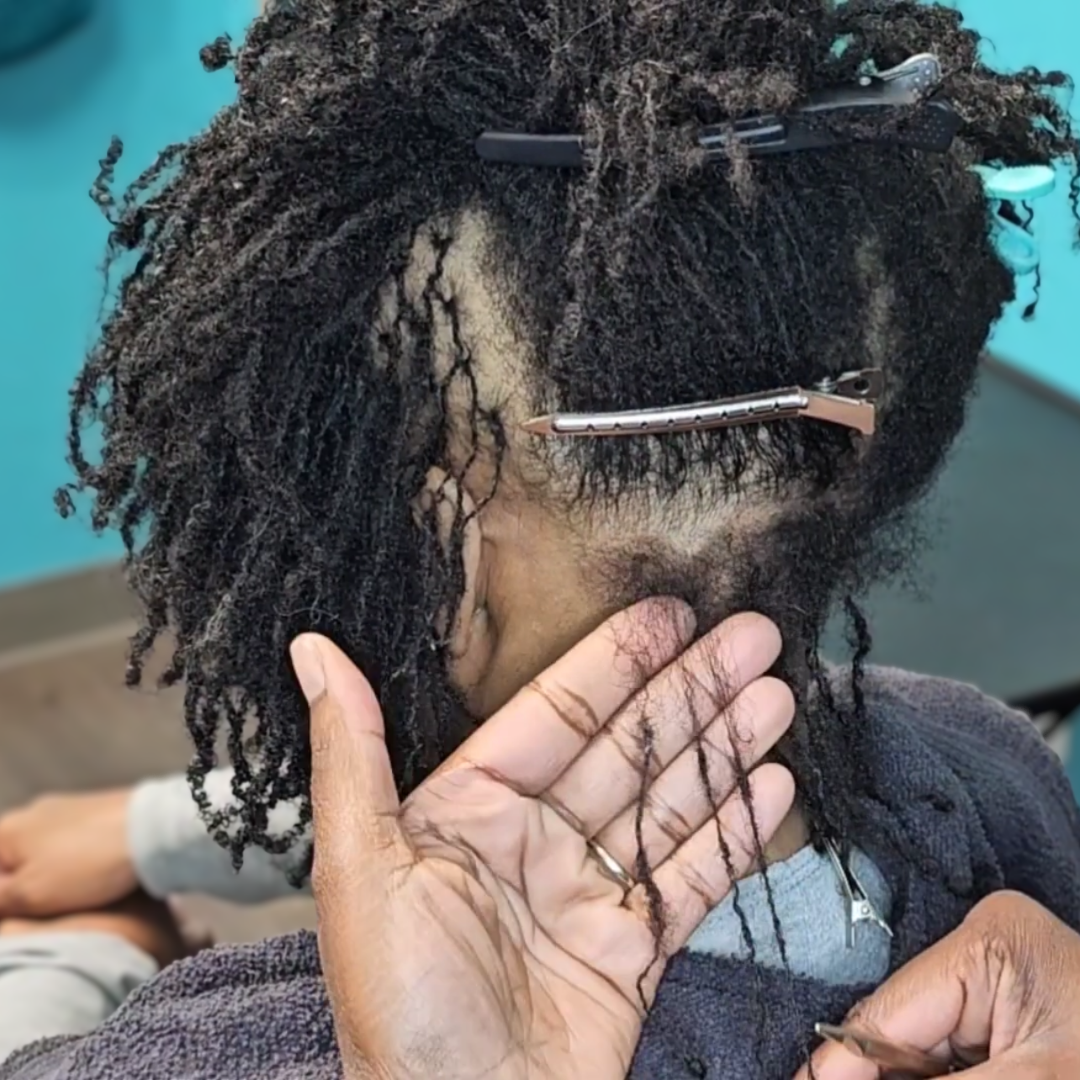
Monitor the Edge Perimeter: Edges, especially the temples and nape, are naturally finer and more fragile. Because microlocs depend on the strength of each individual strand, thinning in this area can compromise the entire loc. If perimeter locs begin to weaken, some people choose to combine them with neighboring locs to give them additional support and prevent long-term breakage.
Watch for Mid-Shaft Snaps: Breakage that occurs in the middle of the loc is often a sign of internal damage. Extreme dryness, chemical treatments, aging hair, or long-term mechanical stress can create hidden weak points that eventually snap without warning. Regular moisturizing, gentle handling, and early detection can help prevent these internal fractures from progressing.
How to Treat & Repair Breakage in Microlocs
Ease Up on Tension: Reduce any hairstyles or habits that pull on your locs. Tight ponytails, buns, heavy accessories, and overly aggressive reties place continuous strain on already-weakened areas. Give your microlocs a tension break by keeping styles loose, wearing low-manipulation looks, and allowing your locs to fall naturally when possible.
Identify and Address the Root Cause: Breakage won’t stop unless the underlying issue is corrected. Use the factors outlined above (maintenance habits, chemical exposure, environmental friction, or internal health) to pinpoint what’s contributing to thinning. Once identified, adjust your routine accordingly (e.g. stretching retie schedules, reducing heat, changing hair ties, improving nutrition, etc.) to prevent the damage from progressing.
Prioritize Moisture & Hydration: Dryness is a major contributor to brittle locs. Incorporate a consistent moisturizing routine using a water-based spray, followed by a lightweight sealant if needed. Mist your locs several times a week, focus on older sections at the ends, and maintain proper internal hydration by drinking enough water throughout the day. Well-moisturized locs are stronger and more flexible, reducing the risk of future breakage.
Strengthen Weak Spots Early: If you notice hourglass shapes, thinning areas, or mid-shaft weakness, take action early. You can stabilize fragile sections by gently interlocking them during maintenance, limiting manipulation, or spacing out reties to allow the hair to grow and strengthen.
Save and Reattach Broken Locs: A broken loc doesn’t always mean a permanent loss. Many damaged or detached locs can be reattached or reinforced. Depending on the level of damage, repair methods may include:
Reattaching the loc or using lightweight extensions to reinforce thinning sections
Interlocking holes to rebuild stability
Crocheting to reconnect loose hairs
Combining methods for a seamless, long-lasting repair
Seek a trained loctician for more advanced repairs to ensure the fix is secure and doesn’t add unnecessary tension.
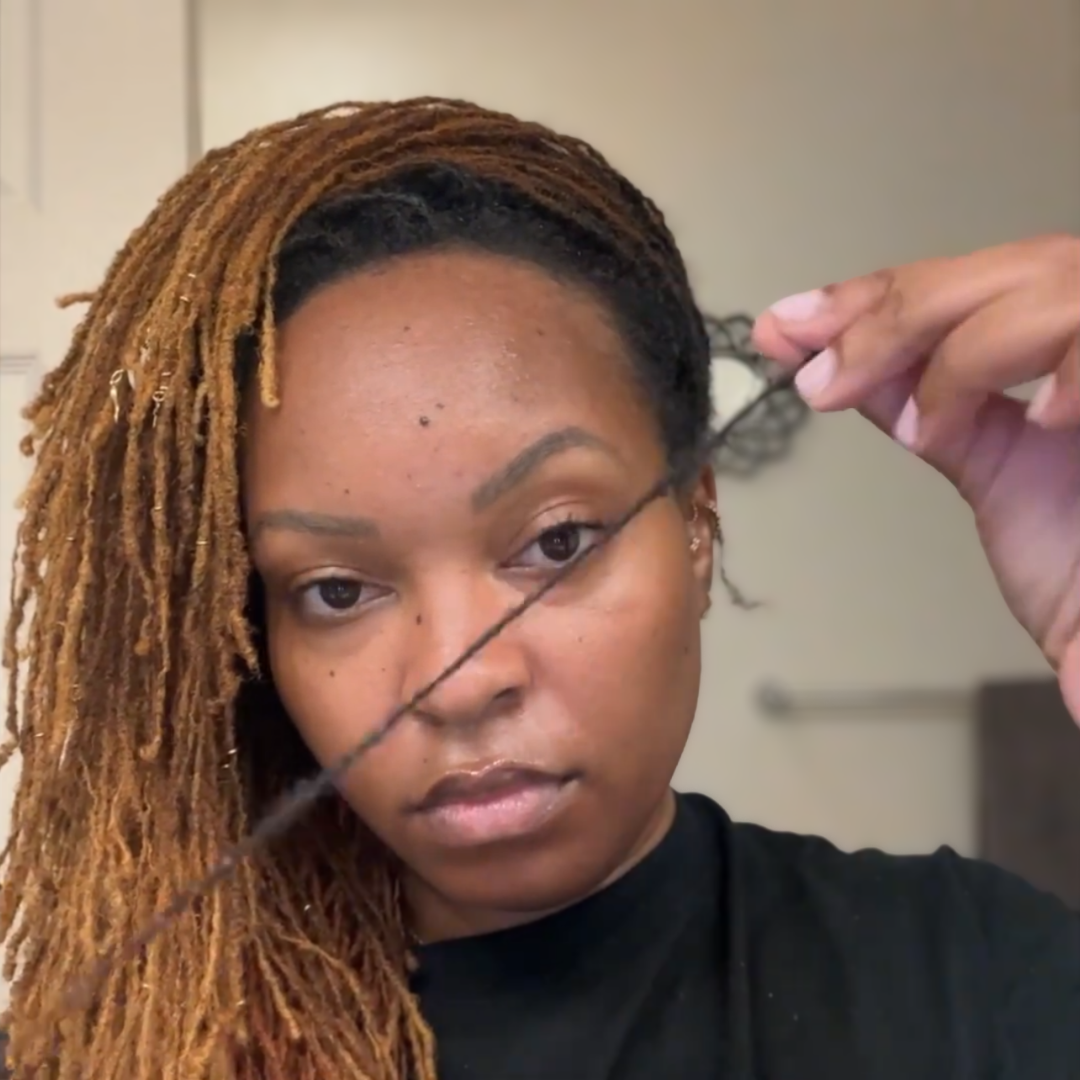
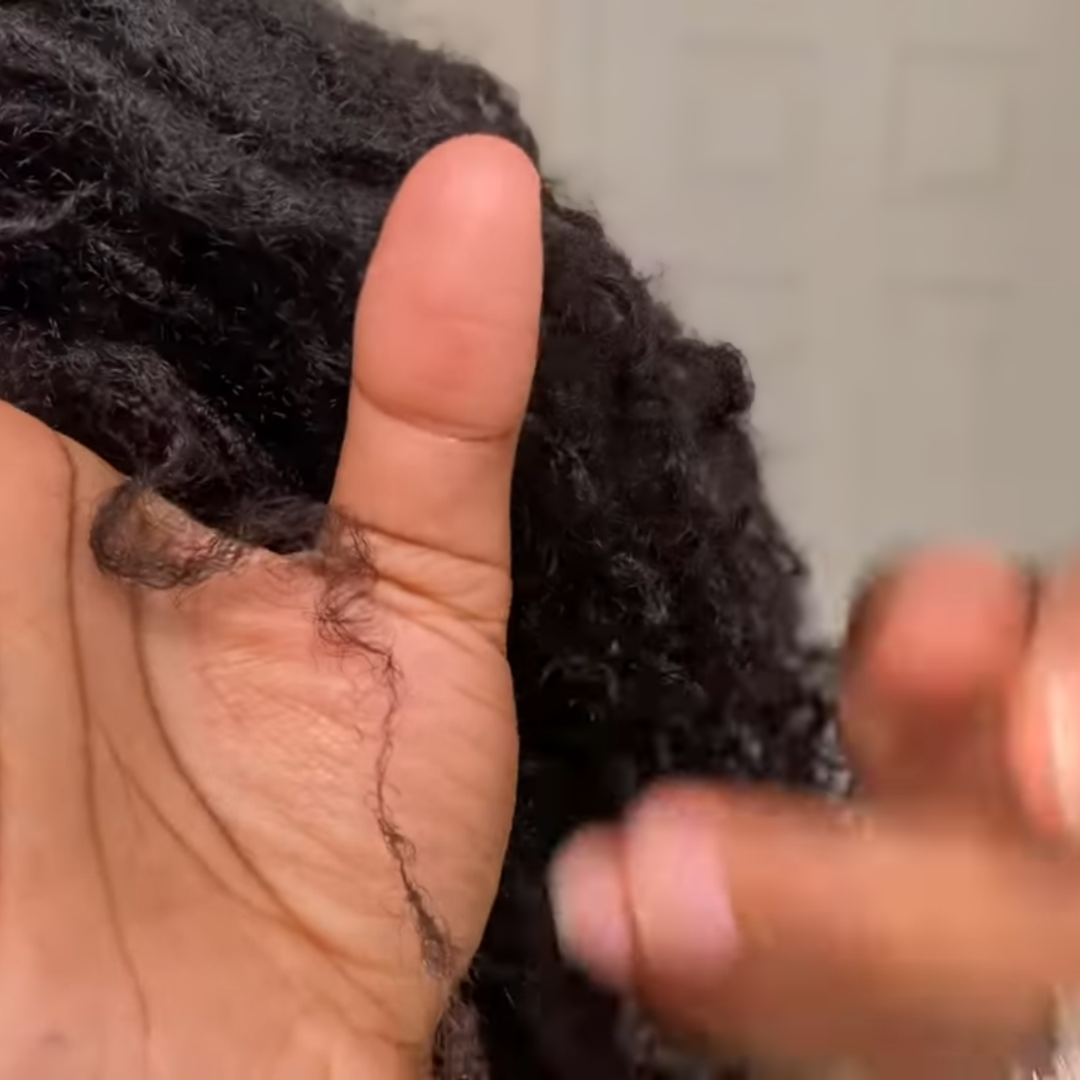
Reattach Broken Microlocs
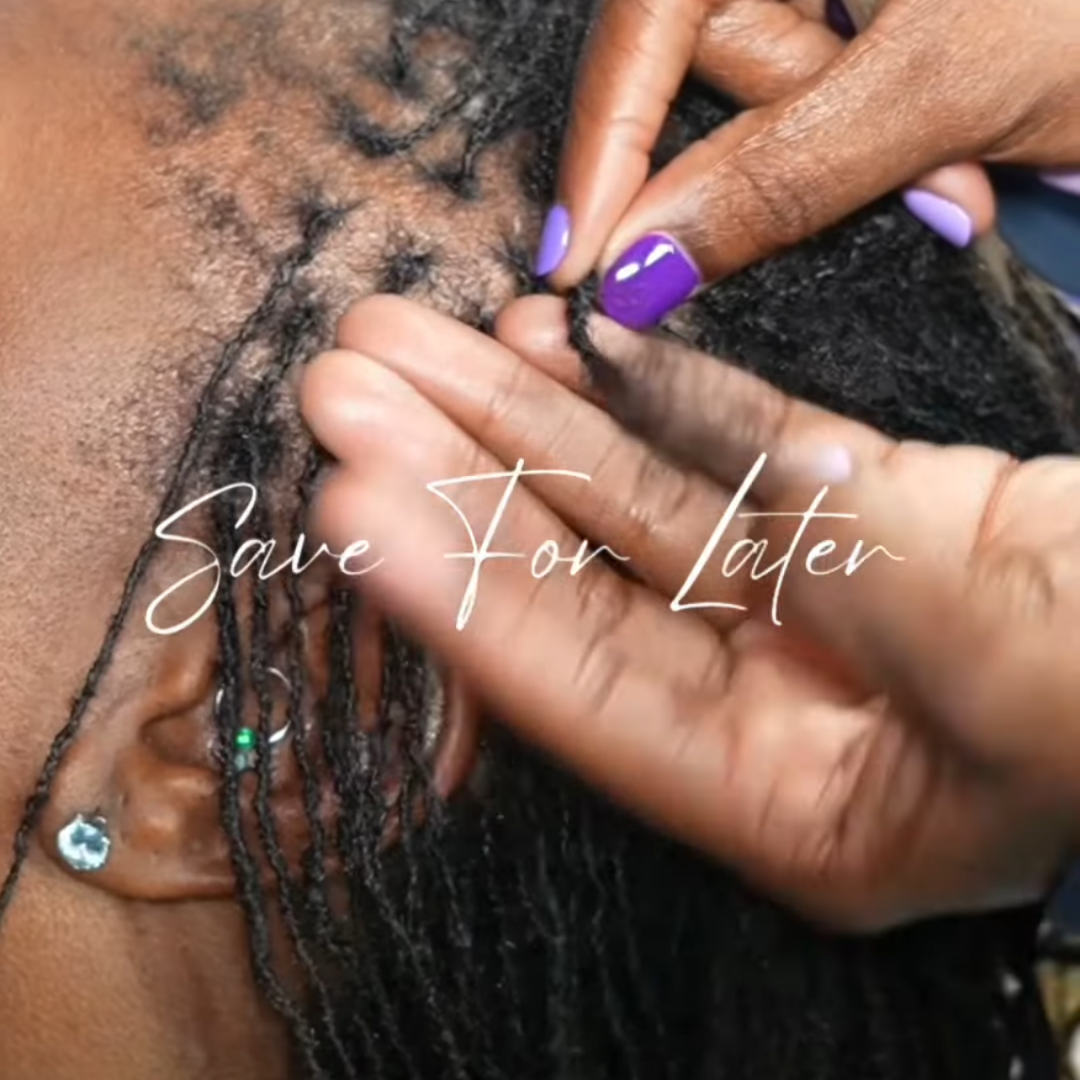
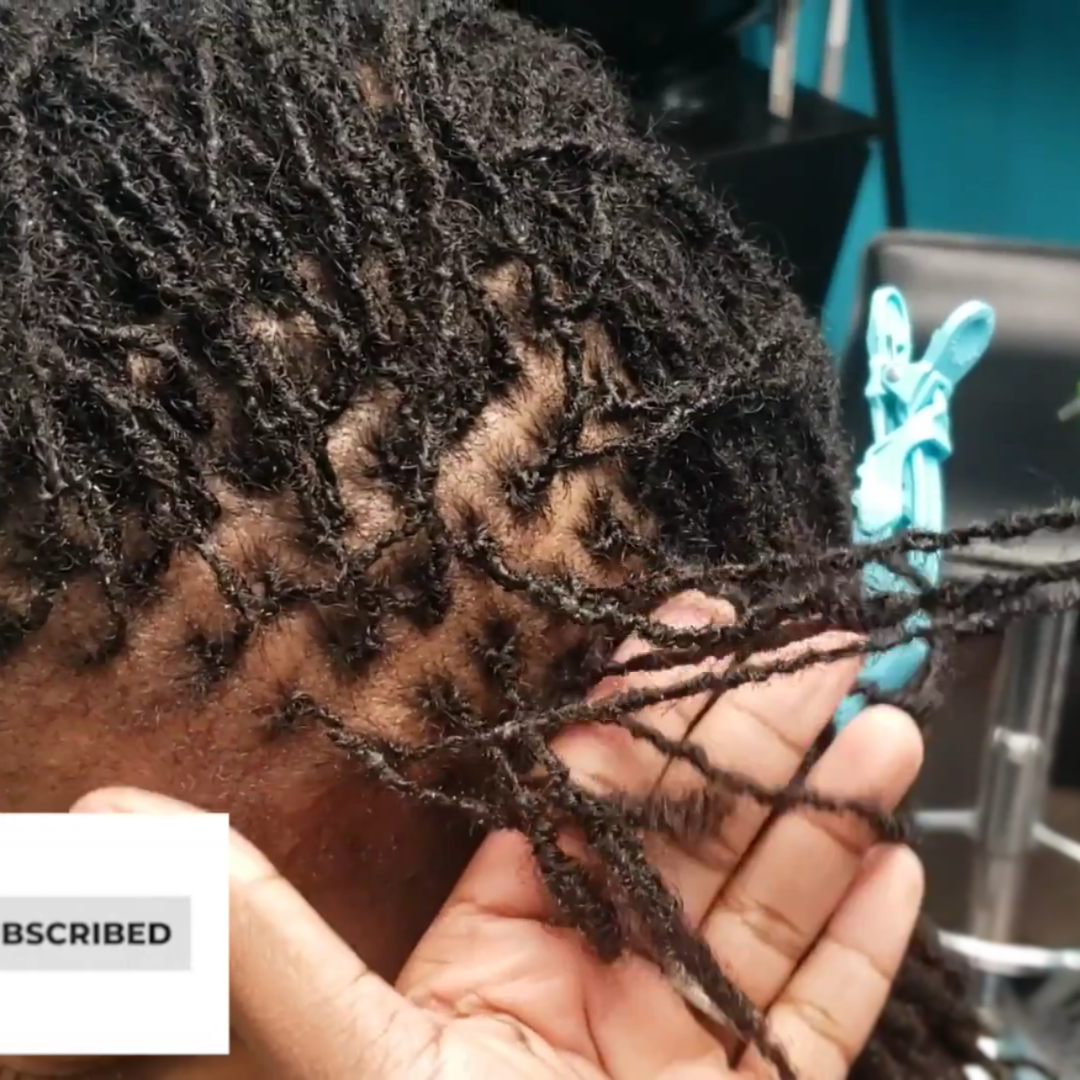
Rebuild broken microlocs by reattaching the detached portion back onto the existing loc. You can repair the loc using the piece that fell off, lightweight extension hair, or even another loc from your head if needed. Using the crochet method, bind the two sections together to seamlessly reconnect the hairs and create a strong, restored loc.
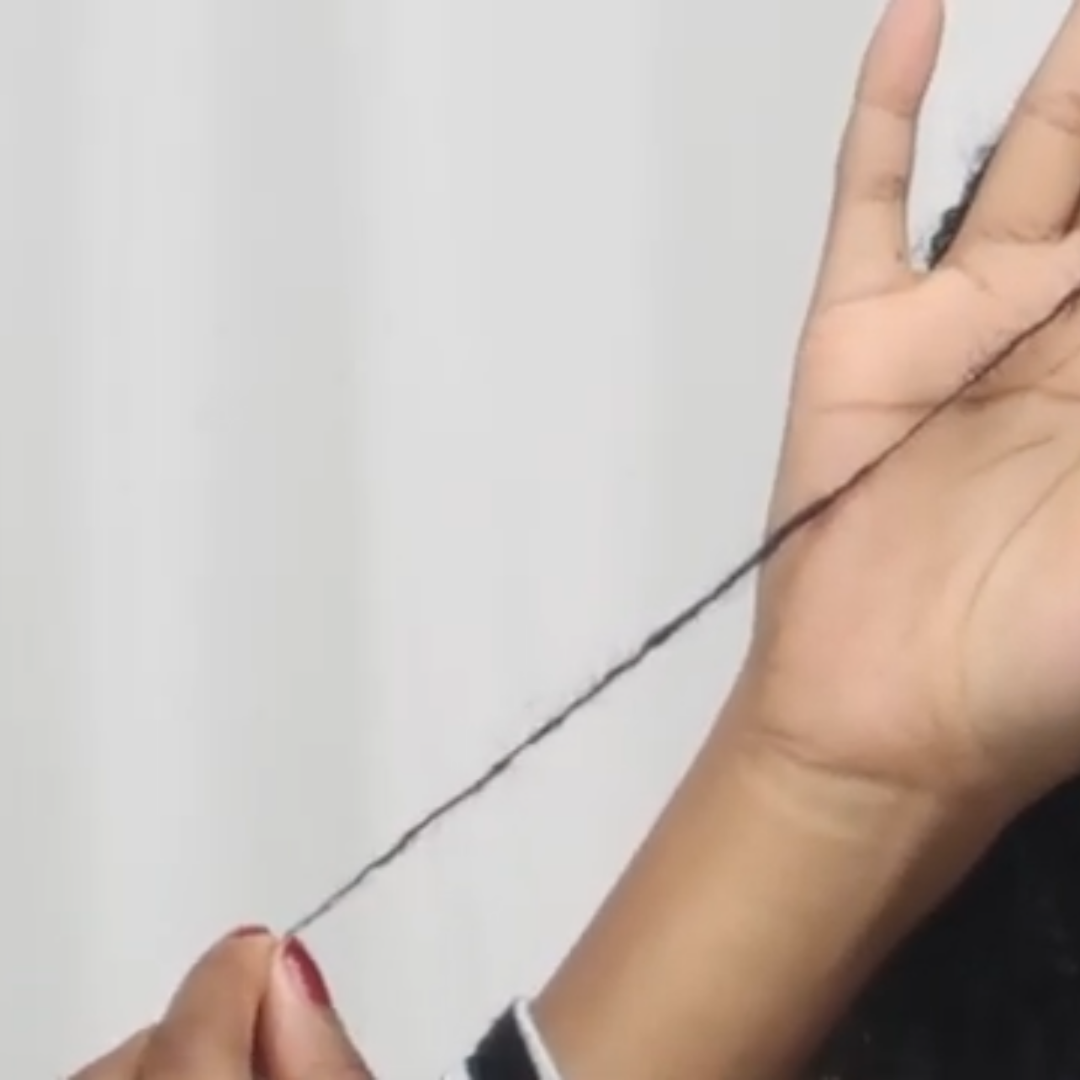
Interlock Holes Along the Shaft
Restore weak or thinning sections by interlocking your microlocs to strengthen and secure them. Using a 3- or 4-point rotation technique, similar to a traditional retie, you can rebuild the structure of the loc, fill in holes along the shaft, and promote a uniform, firm appearance. This method helps stabilize fragile areas and prevents further breakage.
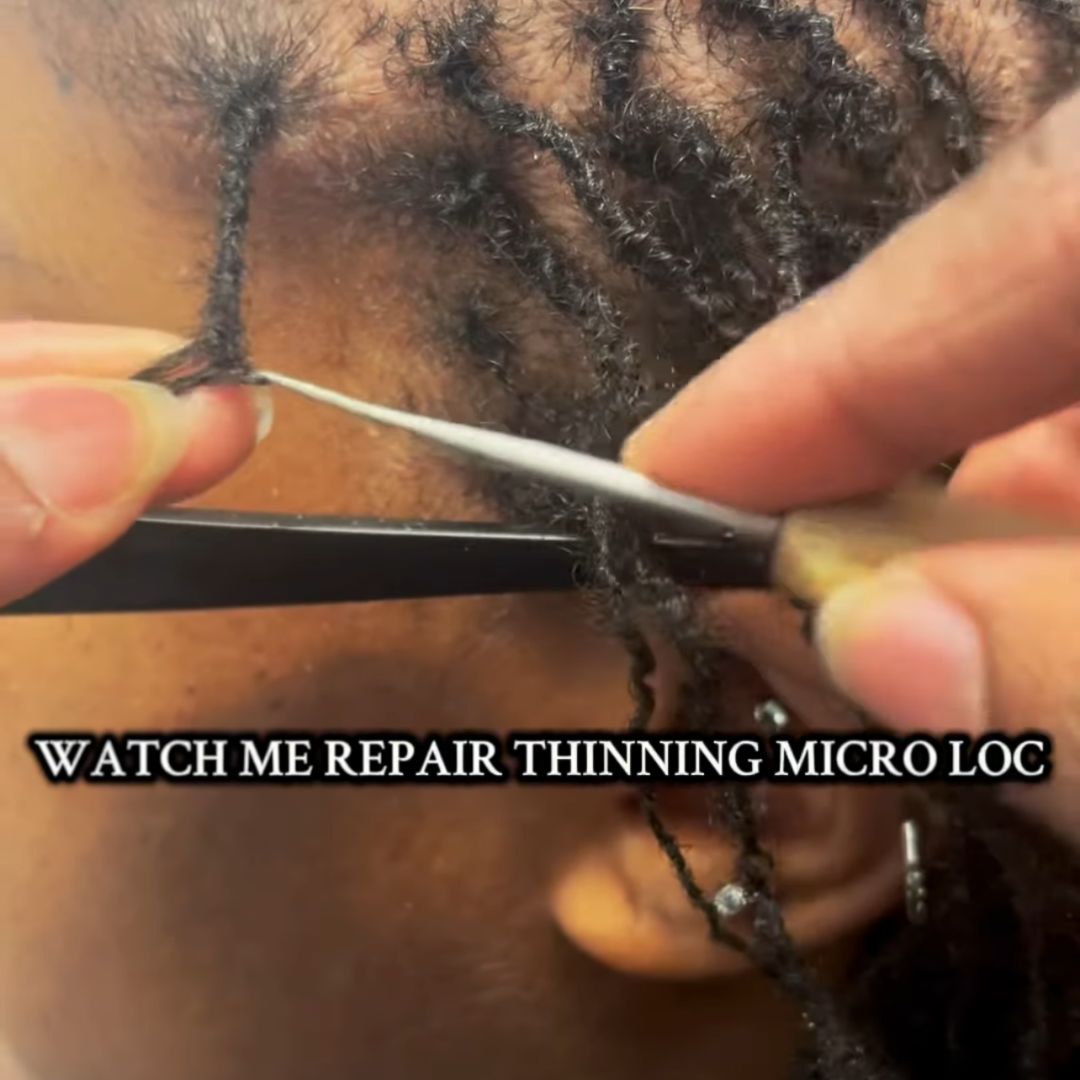
Crochet Loose Hairs Around Thinning Areas
Using a small crochet needle, carefully loop and pull the loose hairs of your loc, or perform quick, controlled in-and-out movements to rebuild and strengthen thinning areas. This technique helps tighten weak sections, restore uniformity, and prevent further breakage while maintaining the integrity of your microlocs.
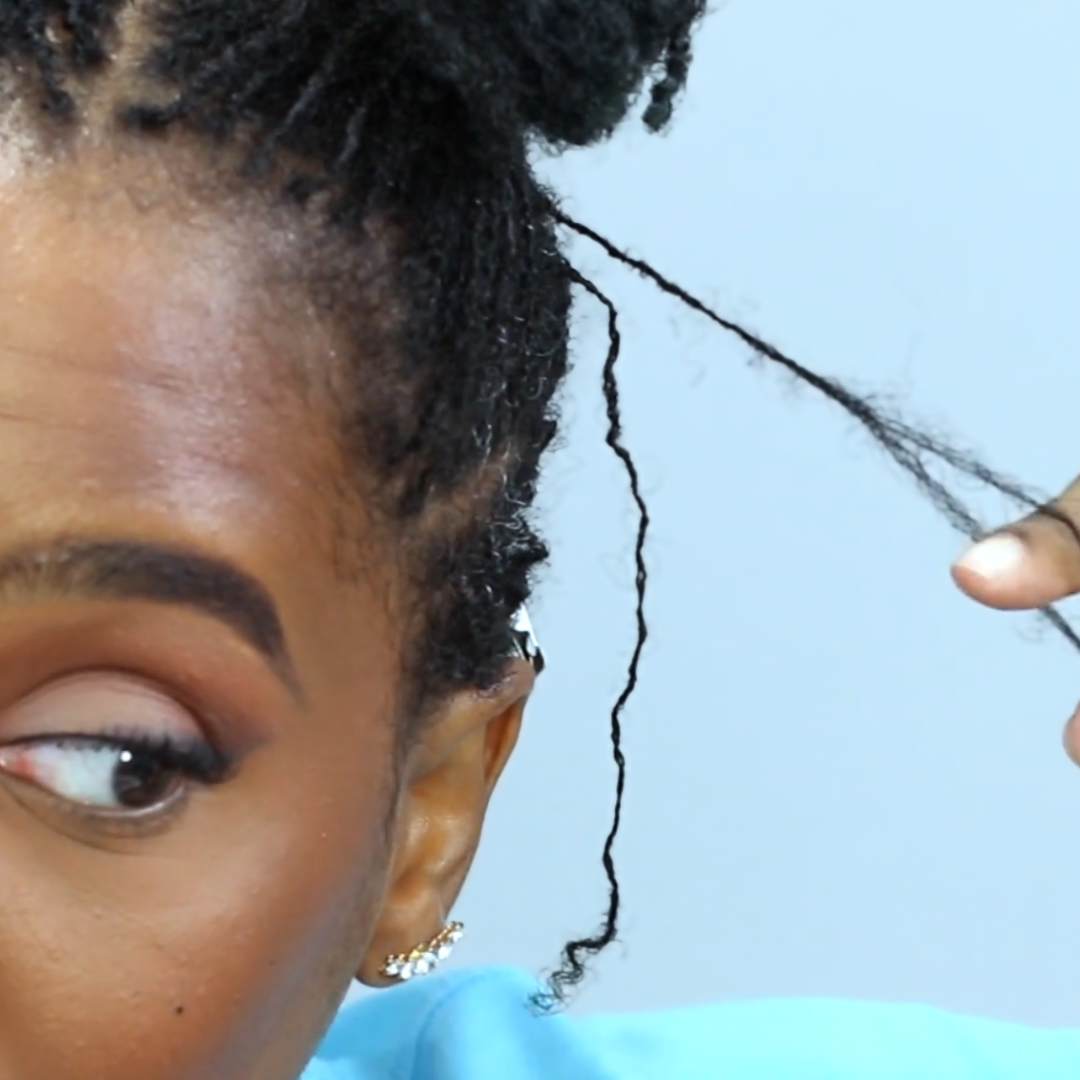
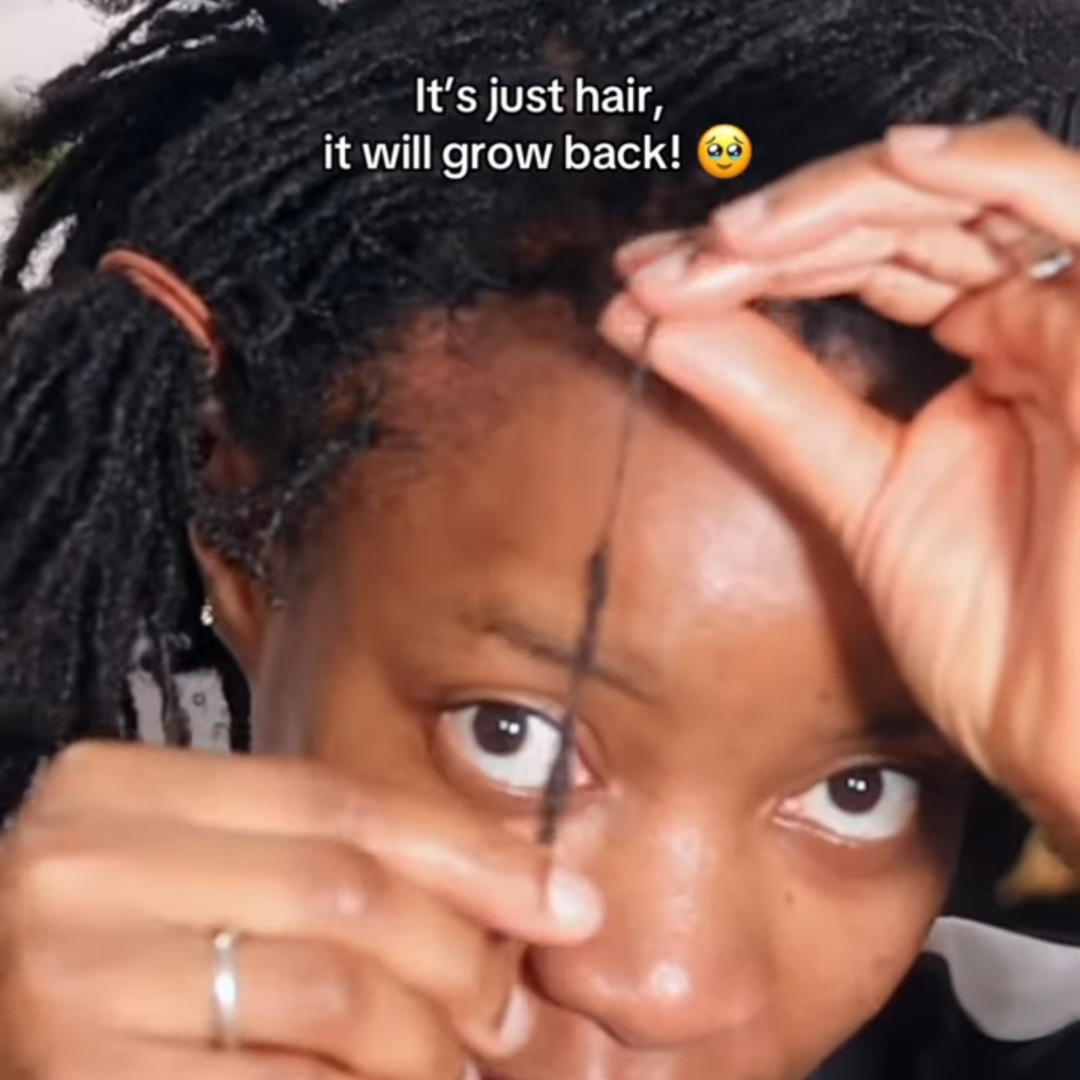
Check out more videos below with detailed tutorials of how different microloc’d beauties and professionals repair damaged locs.
How to Prevent Future Breakage & Thinning
Protecting your microlocs before damage occurs is key. Here are five essential tips.
Moisturize Before Oiling: Hydrate your locs with water-based products before sealing in moisture with oils. Proper hydration keeps locs flexible and reduces the risk of snapping.
Protect with Silk & Satin: Sleep on a silk or satin pillowcase, or wear a silk / satin bonnet while lounging. These smooth surfaces reduce friction and snagging, helping maintain a strong, healthy loc shaft.
Fine-tune Your Retie Schedule: Gentle, consistent reties promote uniform growth and prevent tension-related breakage. Allow a few weeks between reties to give new growth time to strengthen the base of your locs.
Consult a Professional: If you notice significant thinning or breakage, visit a trained microlocs loctician. A professional can assess weak areas and create a tailored repair and maintenance plan. Avoid DIY fixes for severe damage without guidance. If you need help finding one, check out our Get Microlocs Near Me app.
Cleanse Gently: Handle your locs with care during washing. Squeeze out water instead of wringing, pat dry with a microfiber towel or soft t-shirt, and gently separate each loc afterward. This minimizes stress on roots and prevents further breakage.
Breakage, thinning, and shedding are natural, but frequent occurrences can signal a problem. Establishing the right routine is key to supporting full, healthy loc growth.
Picture featured in cover photo is from @unbottledsecret.