Debunking 5 Common Microlocs and Sisterlocks Misconceptions
When it comes to microlocs and Sisterlocks, the internet is full of conflicting advice, making it hard to separate fact from fiction, especially if you’re new to the journey or still exploring locs. In this article, we’re debunking five of the most common misconceptions about microlocs.
Myth #1: Microlocs Cause Thinning and Breakage
The Reality: Microlocs Are Not a Direct Cause of Thinning & Breakage in Your Hair
Thinning and breakage can occur with any hairstyle when the scalp or hair strands are under repeated stress. Microlocs themselves do not cause hair loss. Instead, thinning and breakage are typically the result of tension, dryness, improper maintenance, or underlying health factors. When microlocs are installed, maintained, and cared for correctly, they can be one of the lowest-manipulation, most protective styles for natural hair.
How to Prevent Thinning and Breakage in Microlocs
The three primary contributors to thinning and breakage are maintenance practices, external stressors, and internal health. Addressing all three is essential for long-term loc health.
Maintain Your Locs Properly & Consistently: Improper maintenance is one of the most common causes of thinning and breakage in microlocs.
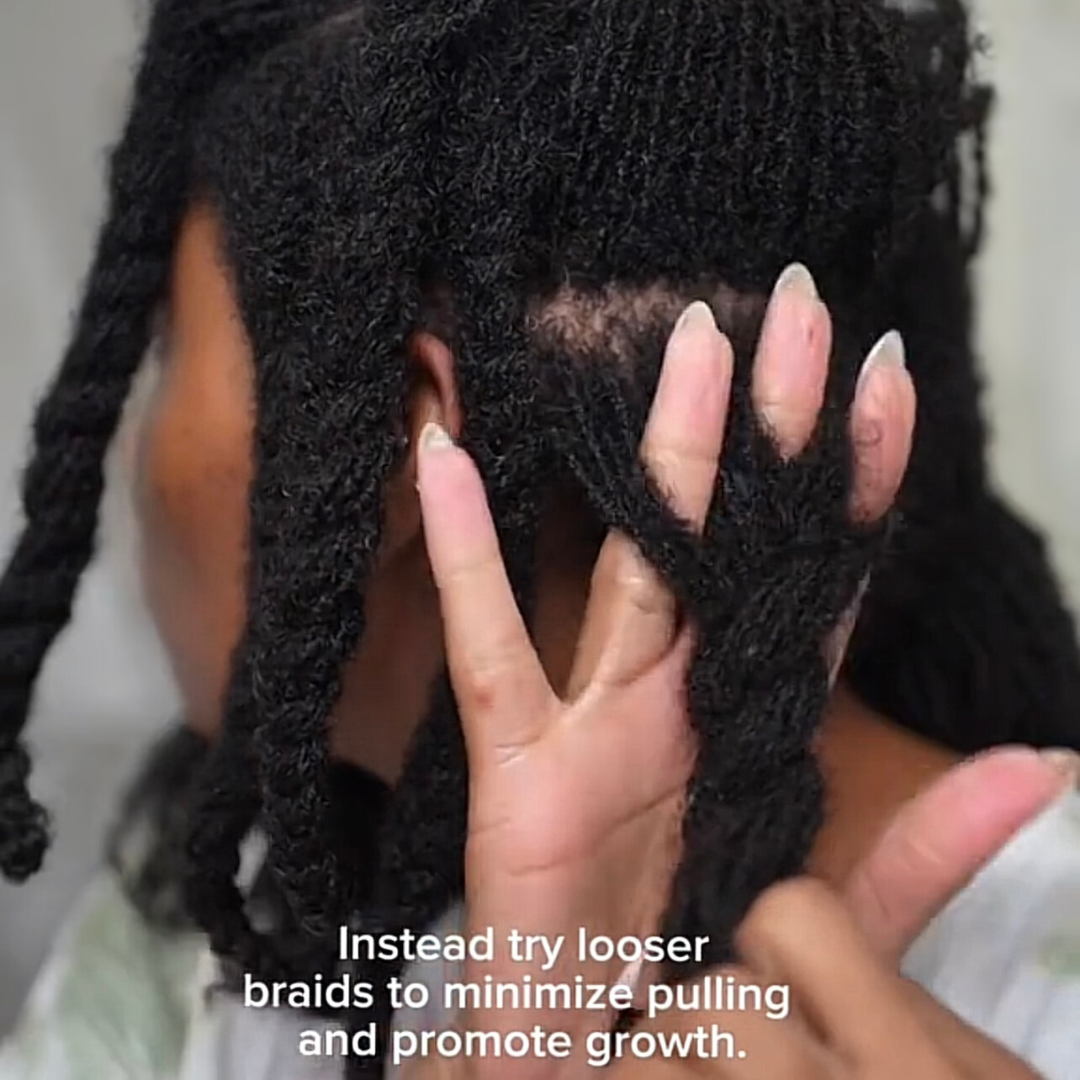
Avoid excessive tension from tight reties, over-manipulation, or styles that constantly pull at the scalp.
Use correct retie techniques and avoid over-tightening, especially around the hairline and nape.
Stay on a consistent retie schedule so new growth doesn’t become overly weighted, which can stress the root.
Keep your locs hydrated and moisturized several times a week. Dry, brittle locs are more likely to snap along the shaft.
Handle your locs gently. Rough styling, excessive curly ends, fractures from poorly installed extensions, or aggressive detangling can weaken the hair over time.
Rotate your hairstyles. Wearing loose or low-tension styles helps give your scalp and locs a break.
Protect Your Locs from Chemical and Environmental Stressors: Daily exposure to harsh elements can quietly compromise the health of your microlocs.
Avoid harsh chemicals such as bleach, strong chemical dyes, and products that leave heavy residue, as they can weaken the hair fiber and cause breakage.
Limit heat exposure. When using hot tools, always opt for low temperatures and avoid frequent heat styling.
Reduce friction. Constant rubbing from collars, sweaters, scarves, and coats can cause thinning, especially at the nape and ends.
Shield your locs from the environment. Pollution, extreme heat, cold weather, and dry climates can strip moisture from your hair over time.
Sleep and protect smart. Cover your locs with silk or satin scarves, bonnets, or pillowcases to minimize friction and moisture loss.
Use updos strategically when wearing lint-prone clothing to prevent snagging and buildup.
Support Hair Health from the Inside Out: Hair health doesn’t start and stop with your routine, it’s deeply connected to your overall wellness.
Hormonal changes, aging, and stress can all impact hair density and shedding.
Certain medications and medical conditions may contribute to thinning or excessive breakage.
Nutrition matters. Inadequate protein, iron, or essential vitamins can weaken hair over time.
If you notice sudden or excessive thinning, shedding, or changes in hair texture, consult a healthcare professional to identify and address any underlying concerns.
Identify Weak Spots Early: Early detection can prevent long-term damage.
Regularly inspect your locs for thinning, dryness, or brittle sections, which often indicate stress points.
Pay close attention to the hairline, crown, and nape, where thinning tends to appear first.
Be proactive. Repair or remove compromised locs before they worsen.
When in doubt, consult your microlocs loctician for professional guidance and corrective care.
Myth #2: Microlocs Don’t Require Maintenance or Moisture
The Reality: Microlocs Are a High-Maintenance for Low-Maintenance Hairstyle and Moisture is Essential
Microlocs are often described as “low-maintenance,” but that doesn’t mean no maintenance. While locs reduce daily styling and manipulation, they still require consistent care, moisture, and upkeep to remain healthy. Your scalp and hair depend on water, both internally and externally, to support growth, elasticity, and strength. Without a thoughtful routine, dryness, buildup, and scalp issues can quickly follow.
How to Maintain & Moisturize Microlocs
An intentional maintenance and moisture routine is the foundation of thriving microlocs. Although your hair is locked, it behaves much like loose hair when it comes to hydration, cleansing, and scalp care. The difference is that consistency matters more than complexity.
Build a Routine That Supports Your Lifestyle: A sustainable routine is one you can maintain long-term.
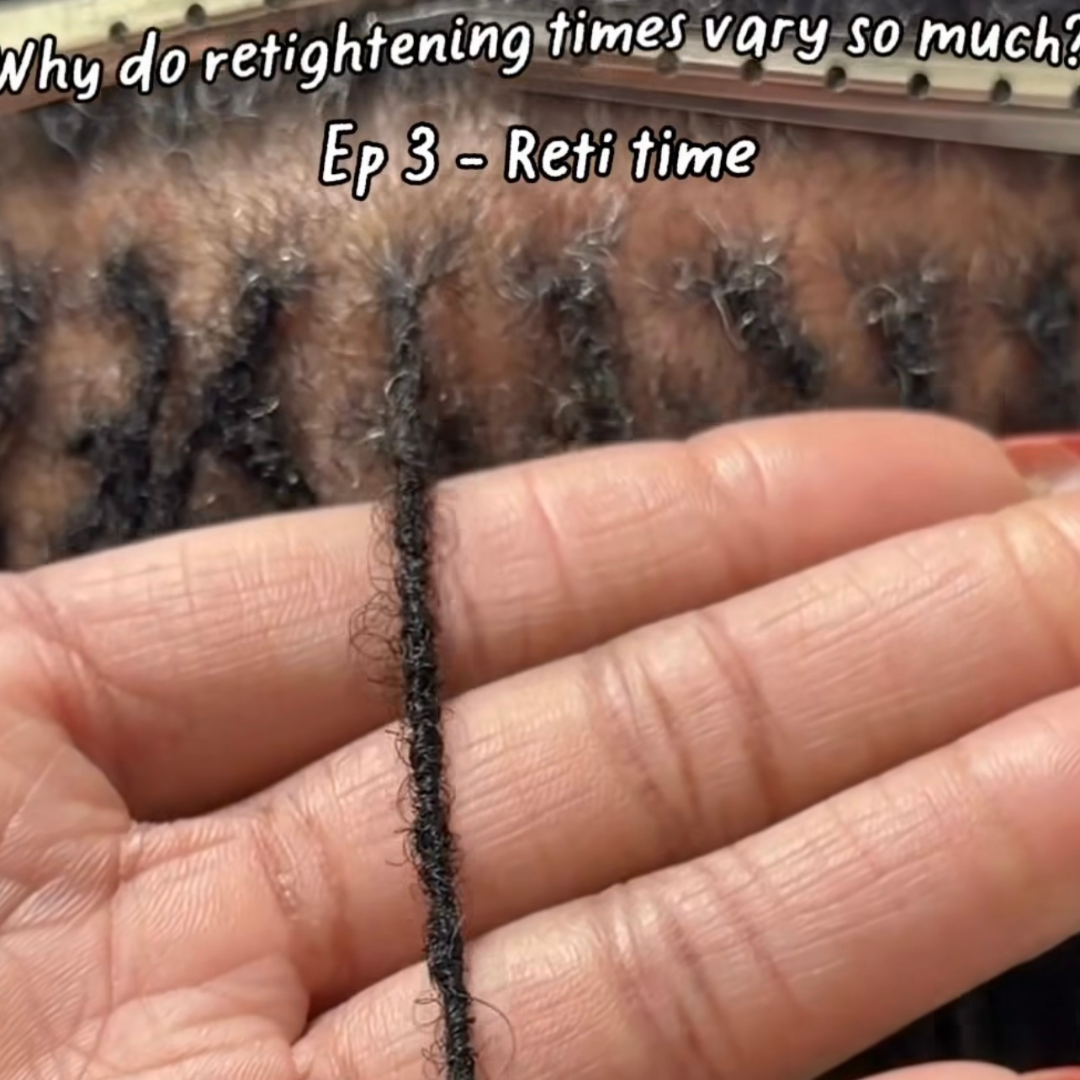
Reties: Schedule reties every 4 – 8 weeks, depending on your hair’s growth rate and your loctician’s recommendations.
Moisture: Lightly hydrate your locs throughout the week, focusing on water-based products.
Wash Days: Cleanse your scalp and locs regularly to prevent build-up, flakes, and odor. Delaying wash days can compromise scalp health and slow progress.
Let Your Lifestyle Guide How Often You Wash: There’s no universal wash schedule. Your routine should reflect your habits and scalp needs.
If you work out or sweat frequently, regular exercise (3–4+ times per week) may require weekly washes to keep your scalp clean and balanced.
If you experience flakes or build-up, incorporate occasional deep cleans or detoxes to remove debris at the base of your locs. Because detoxes can be drying, follow up with intentional moisture and limit them to a few times per year.
If time is limited, plan wash days in advance and simplify the process. Techniques like braiding and banding before washing or blow-drying instead of air-drying can make wash days more manageable and consistent.
Prioritize Lightweight Hydration: Moisture should refresh your locs, not weigh them down.
Choose lightweight, water-based hydrators such as distilled water, rosewater, or simple essential oil and water blends.
Avoid heavy creams, waxes, or butters that can cause build-up inside the loc.
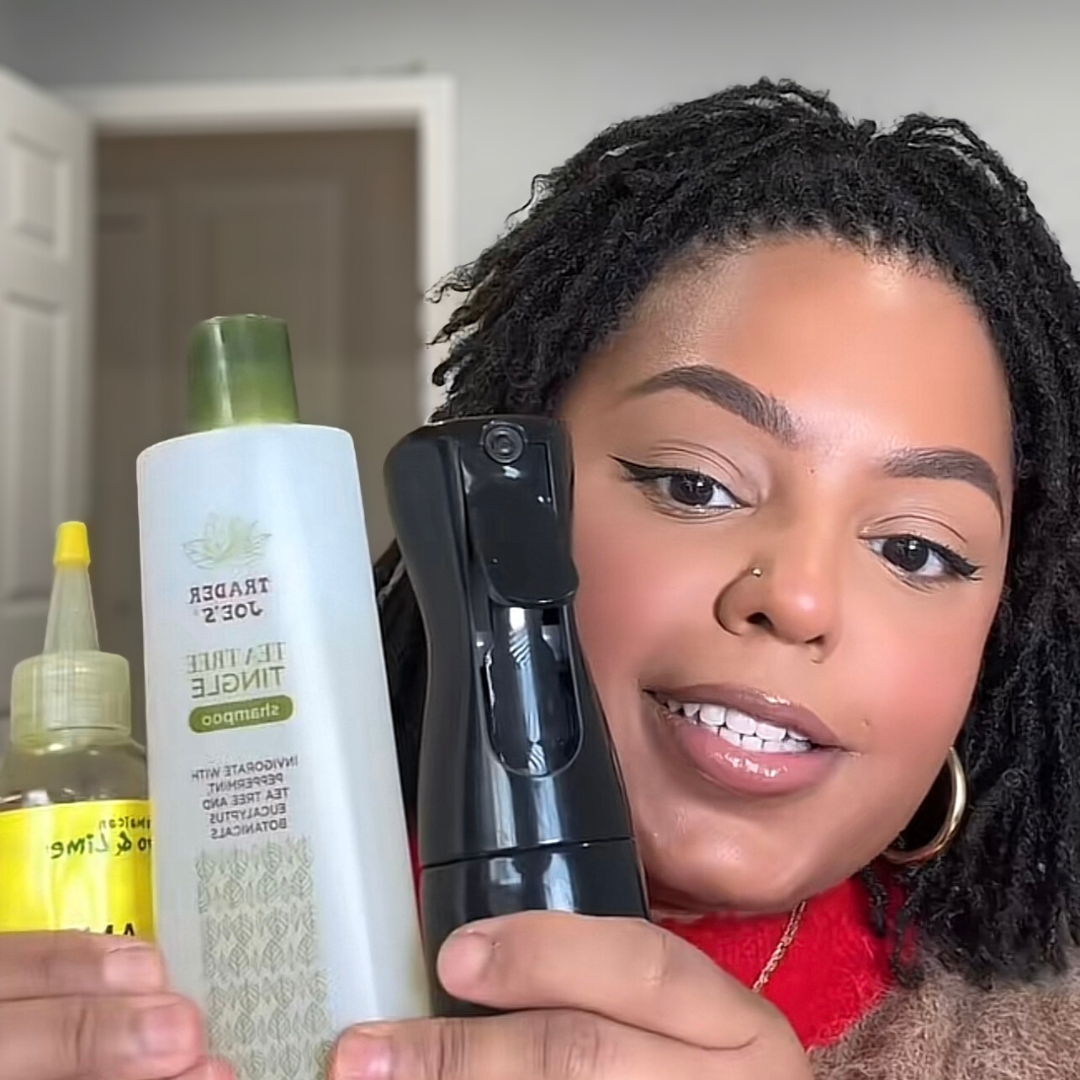
Use tools that make maintenance easier. Continuous spray bottles, fine-tip applicator bottles, and snag-free scrunchies help streamline your routine and protect your locs during washes.
Myth #3: Microlocs Aren’t Versatile
The Reality: Microlocs Offer Endless Styling Possibilities
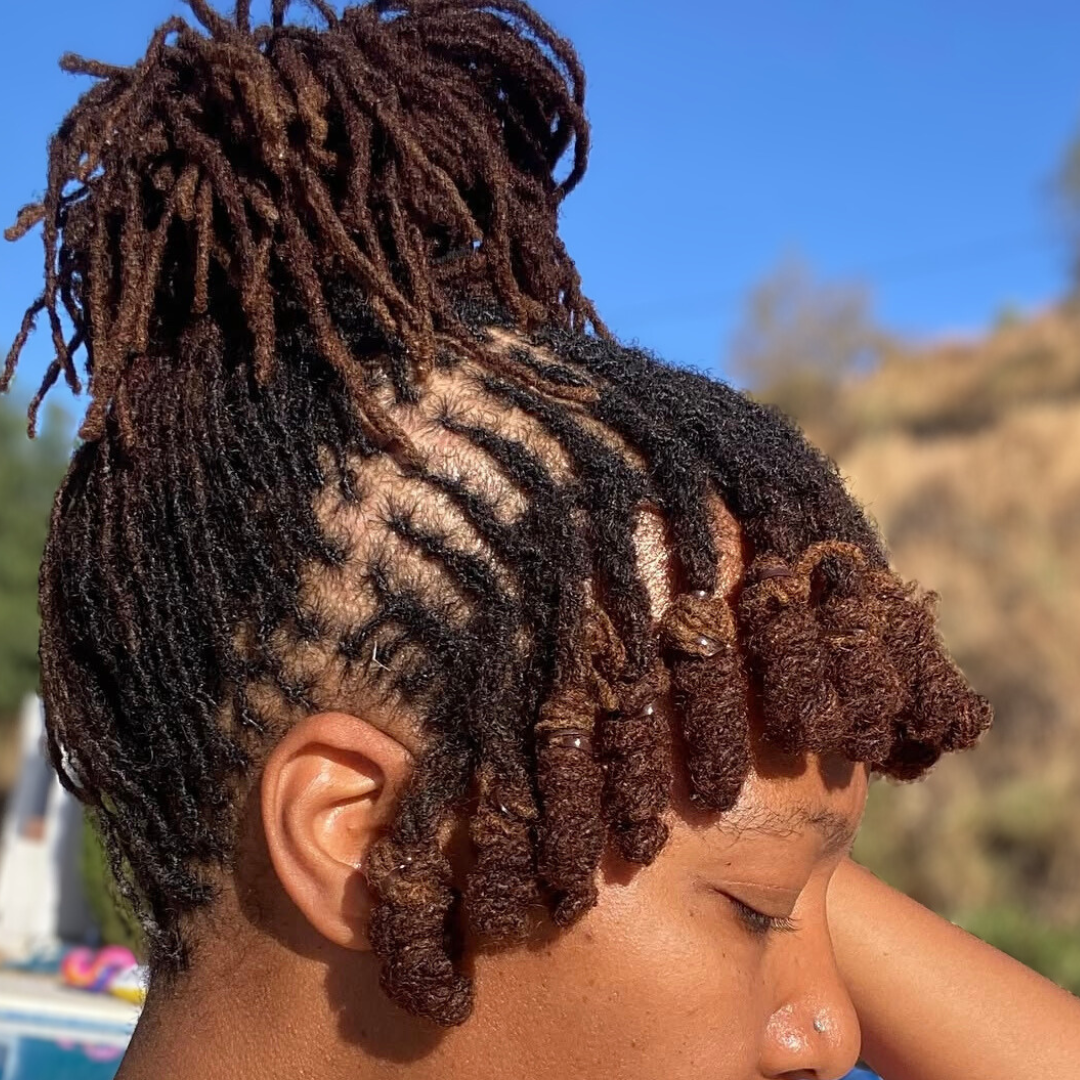
Microlocs are one of the most versatile loc styles available. Whether you prefer a low-effort routine or love experimenting with your look, microlocs can be styled, shaped, colored, and accessorized in countless ways. From everyday wear to milestone moments, your locs can evolve right along with you.
How to Get the Most Out of Your Microlocs
Think of your microlocs as a canvas. With thoughtful styling, intentional color, and the right accessories, you can continuously reimagine your look (temporarily or long-term) without compromising the integrity of your locs.
Refresh Your Look with Hairstyles: One of the easiest ways to switch things up is through styling.
Everyday styles can elevate your daily look with minimal effort. Are your locs modest in length? Short styles may be perfect for you. Reached a new growth milestone? Explore shoulder-length styles to celebrate this new hangtime. Have your locs passed your shoulders? Long styles are a perfect way to leverage your newfound length.
Updos and half-up styles offer a polished option when you want something different.
Special-occasion styles, from weddings to formal events, can be elegant, timeless, or bold, depending on your vision.
Wigs and extensions are a quick way to add some length, volume, or texture to your hair.
No matter your loc length or stage of maturity, there’s a style that works for you.
Brighten Your Locs with Color: Color is one of the most transformative ways to change your look, but it should always be approached with care.
Temporary waxes and paints allow you to experiment with bold or playful shades without chemical commitment.
Sun-lightening can create soft blondes and honey tones over time, while traditional bleaching offers quicker results, both require extra moisture and care.
Henna and indigo provide natural, permanent color with minimal chemical exposure.
Box dyes offer convenience and permanence, but should be applied carefully to avoid dryness, buildup, or uneven color.
When in doubt, consult your loctician and prioritize the health of your locs before making major color changes.
Elevate Your Look with Accessories: Accessories are a simple way to add personality and polish with minimal effort.
Protective accessories: Silk and satin scarves or headwraps protect your locs from friction, debris, and environmental stress.
Functional accessories: Scrunchies, bows, and barrettes secure your hair while adding style.
Just-for-fun accessories: Loc sprinkles, beads, and loc jewelry bring whimsy and individuality to your look.
Accessories let you express yourself while keeping your routine effortless.
Myth #4: Microlocs Can’t Be Started on Permed or Relaxed Hair
The Reality: Microlocs Can Be Started on Chemically Straightened or Heat-Damaged Hair
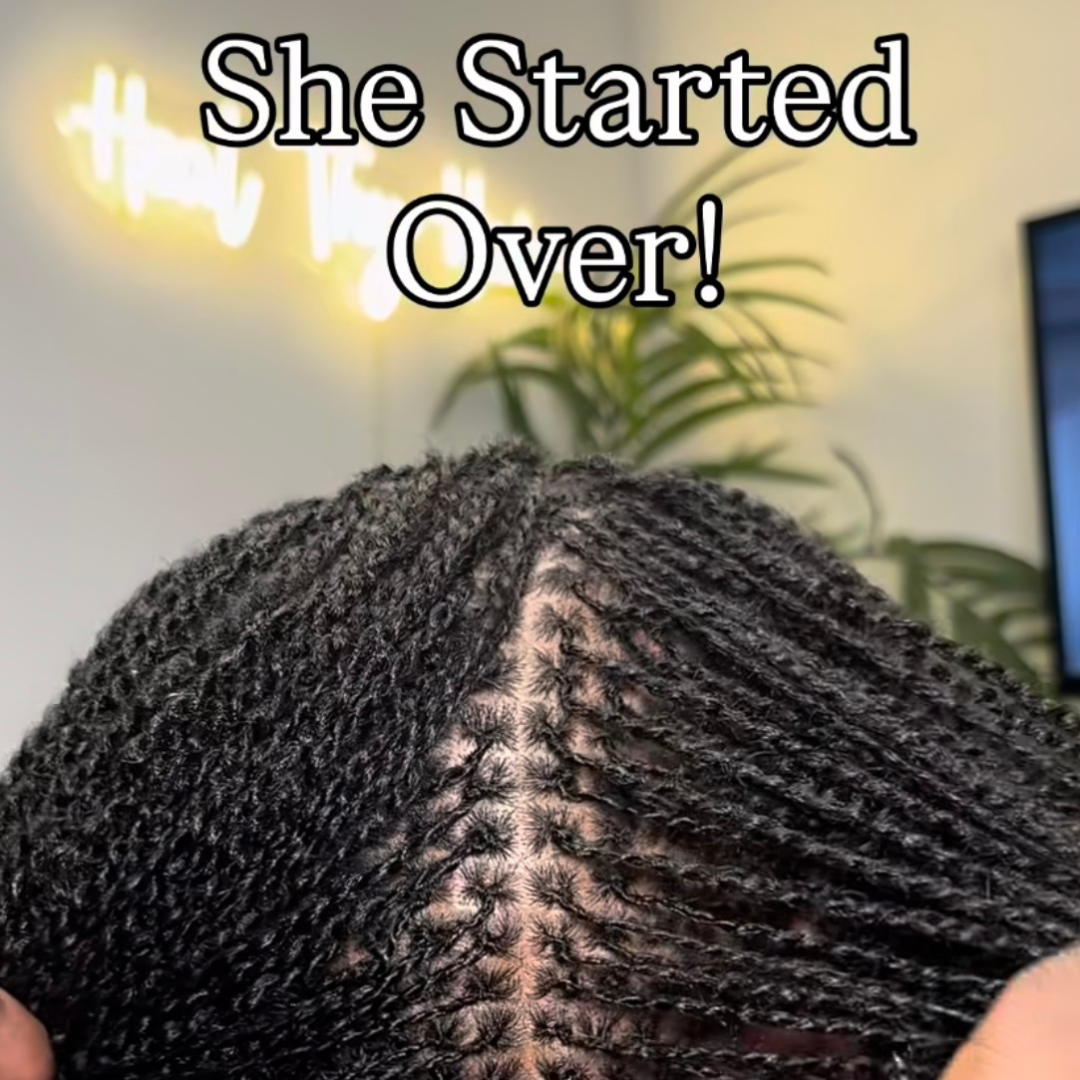
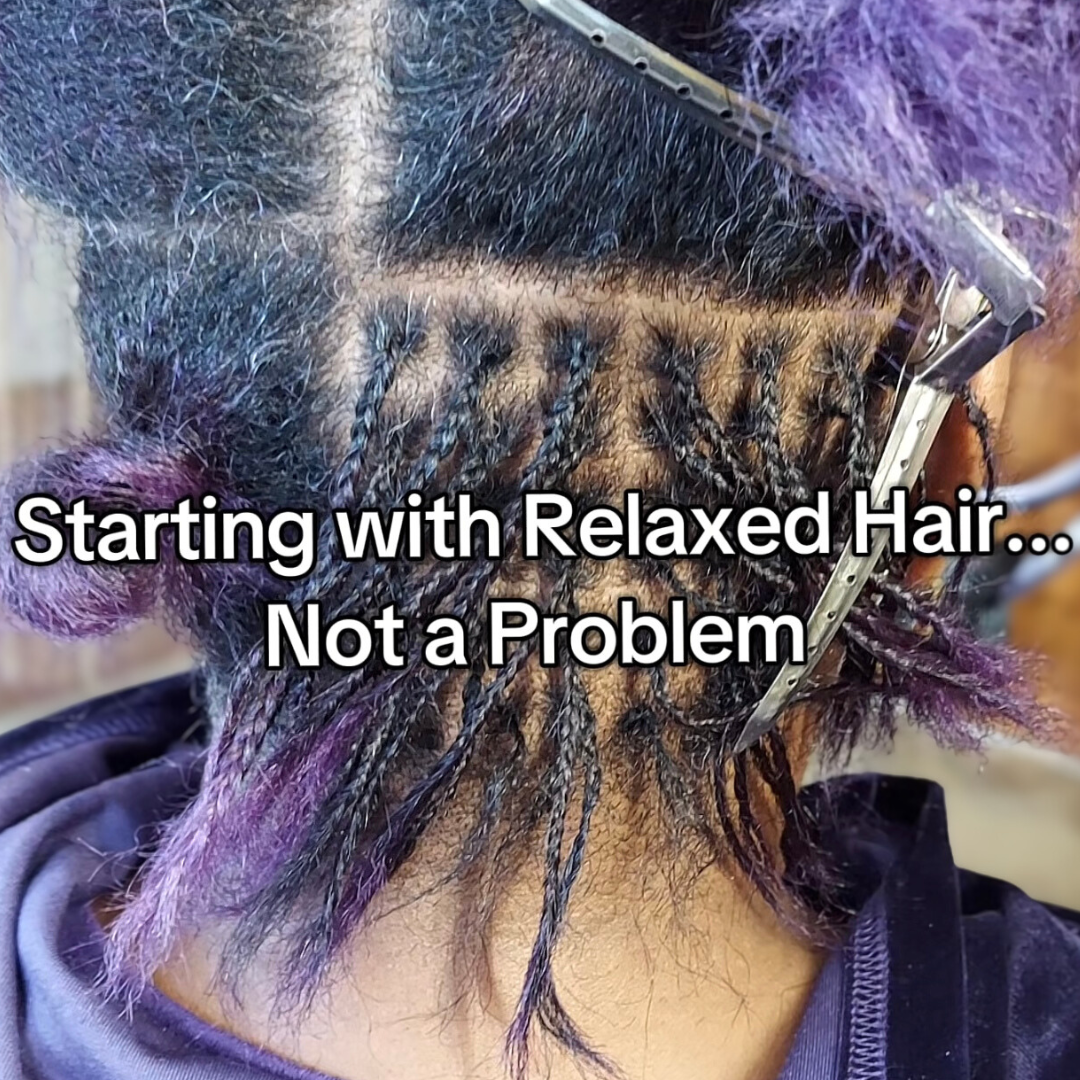
Microlocs are not limited to natural hair. Permed, relaxed, or heat-damaged hair can absolutely be locked with the right preparation, patience, and professional guidance. While chemically straightened hair behaves differently than natural hair, it does not disqualify you from starting microlocs.
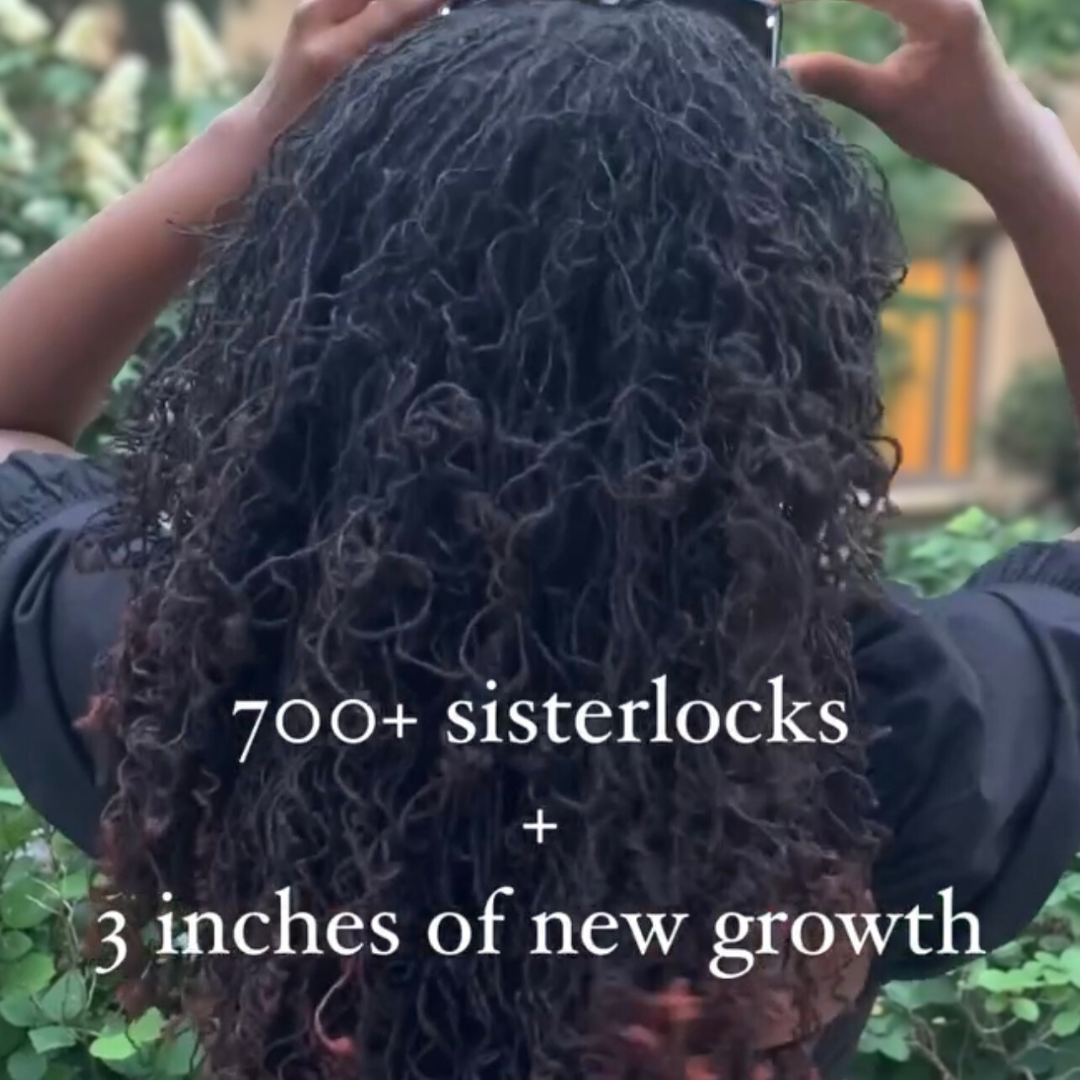
In most cases, you’ll need at least 2–3 inches of new growth to create a strong foundation. With an intentional plan and a skilled microlocs loctician, transitioning from relaxed hair to locs is both achievable and rewarding.
How to Start Microlocs on Permed Hair
Starting microlocs on chemically straightened hair requires a more strategic approach, but the process is very similar to starting on natural hair: assess, prepare, and proceed with care.
Start with a Professional Consultation: Your first step should always be a consultation with a microlocs loctician experienced in relaxed or transitioning hair. Discuss your hair history, including relaxers, color, and heat usage. Share your goals, concerns, and desired loc size. Learn what to expect during the transition phase, including longer locking timelines and potential shedding. Walking away with a realistic plan sets the tone for a smoother journey. Find a loctician near you with the Get Microlocs Near Me app.
Grow Out Enough New Growth: To prevent slippage and unraveling at the root, it’s important to grow out some natural hair before your install. Aim for 1 – 1.5 inches (minimum) of new growth, though 2 – 3 inches provides a more secure base. Relaxed hair is typically finer and smoother, which means it takes longer to lock and may slip if installed too early. You do not need to cut off your relaxed hair immediately. As your locs mature, you can gradually trim the straighter ends over time. This approach allows you to transition at your own pace while maintaining length.
Choose the Right Starting Method: Not all microlocs installation methods work well on chemically straightened hair. Interlocking and braids are often the most effective for preventing slippage. Comb coils and twists may struggle to hold on finer, relaxed textures. Your loctician can recommend the best method based on your hair density, texture, and long-term goals. The right foundation makes all the difference in how your locs mature.
Myth #5: Microlocs Grow Your Hair

The Reality: Microlocs Support Length Retention, Not Growth Rate
Microlocs are an incredible protective style, but they don’t change how fast your hair grows. Growth rate is largely determined by genetics and supported by healthy habits. What microlocs do exceptionally well is protect and retain length.
Because shed hair and new growth remain locked within the shaft, you’re able to preserve more of what your scalp produces. This creates the appearance of faster, longer growth when in reality, you’re simply losing less length to breakage and manipulation.
How to Enjoy the Microlocs Journey and Maximize Length Retention
When it comes to prioritizing length, less really is more. Give your locs the space to grow naturally and focus on protecting what you already have.
Celebrate Milestone Moments: Waiting for length can feel slow, but progress isn’t measured in inches alone. Celebrate lociversaries, growth milestones, personal lessons, and routine wins. Document these moments with photos, notes, reflections… no matter how small they seem. Over time, these keepsakes tell a powerful story and reinforce that the journey itself is just as meaningful as the length.
Embrace Every Stage of Growth: The locs you start with may not look like the locs you envisioned, and that’s part of the magic. Each phase, from starter locs to mid-length to long, flowing locs, plays a role in your hair’s evolution. Honor every era. Every inch, every phase, and every change contributes to your locs’ full potential.
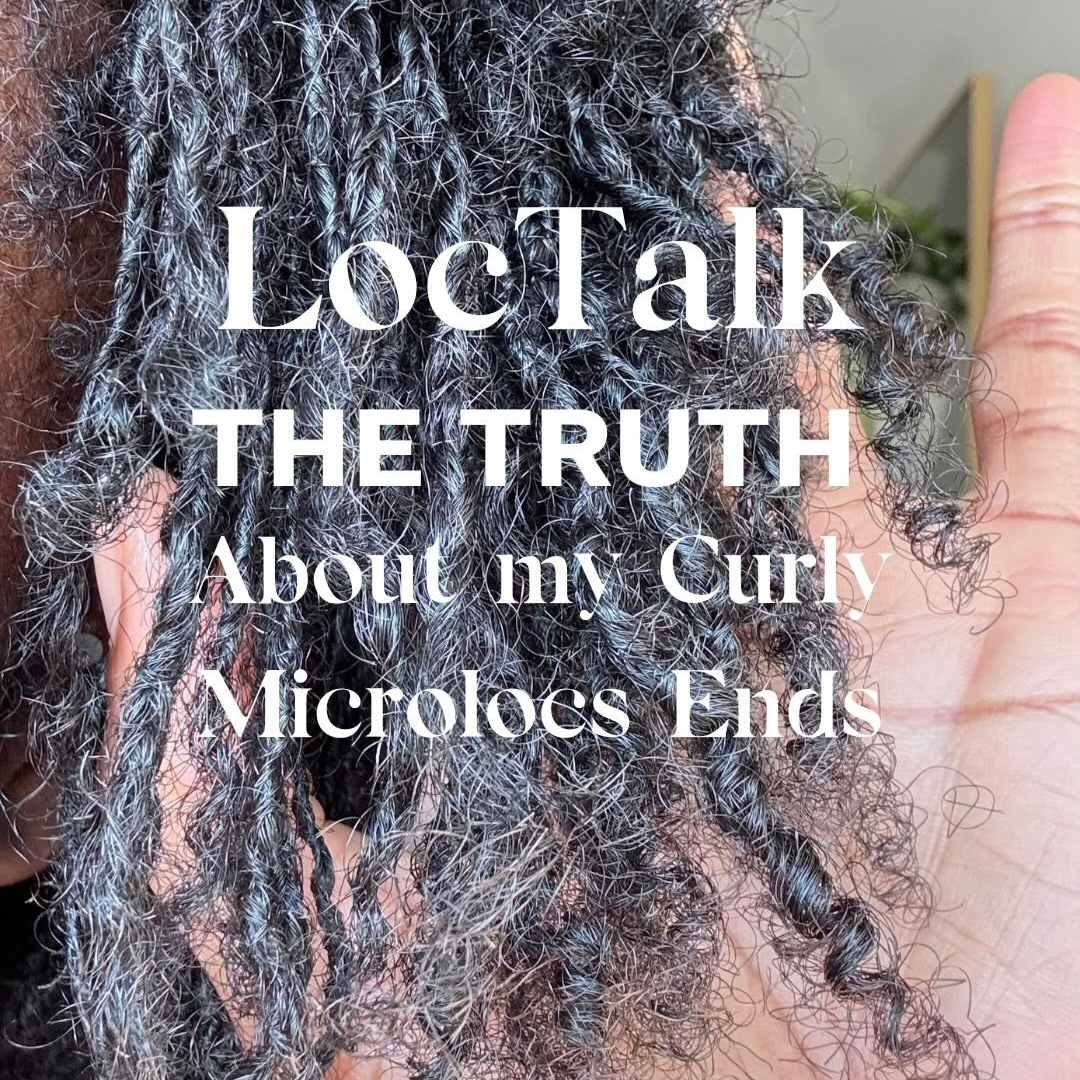
Keep Your Ends Moisturized and Your Loose Ends Minimal: Even with locs, breakage can still happen, especially at the ends, which are the oldest and most fragile part of your hair. Keep your ends consistently moisturized to maintain elasticity and prevent snapping. Avoid excessive dryness, friction, and rough handling at the tips. Minimize loose, curly ends that can weaken over time and lead to thinning or breakage. Protect your ends during sleep and styling, especially as your locs get longer. Healthy ends are essential for long-term length retention.
Don’t Be Afraid to Snip Your Ends: As your locs mature, you may discover a length that feels just right for you. Some people choose to cut their locs shorter for convenience or style. Others commit to long locs and benefit from occasional trims to remove compromised ends and support continued retention. Trimming doesn’t mean starting over, it’s a form of maintenance. Locs are beautiful at every length. Flexibility is part of longevity.
One thing is undeniable: microlocs are beautiful, and the loc journey is deeply rewarding when nurtured with intention and care. Although every journey is unique, many of the experiences are shared. Discover microlocs truths through FAQs, vlogs, and firsthand testimonials from creators who have lived the journey.